
We Can’t Just Surrender: Nigel Farage’s Warning on Immigration, Identity, and Britain’s Future
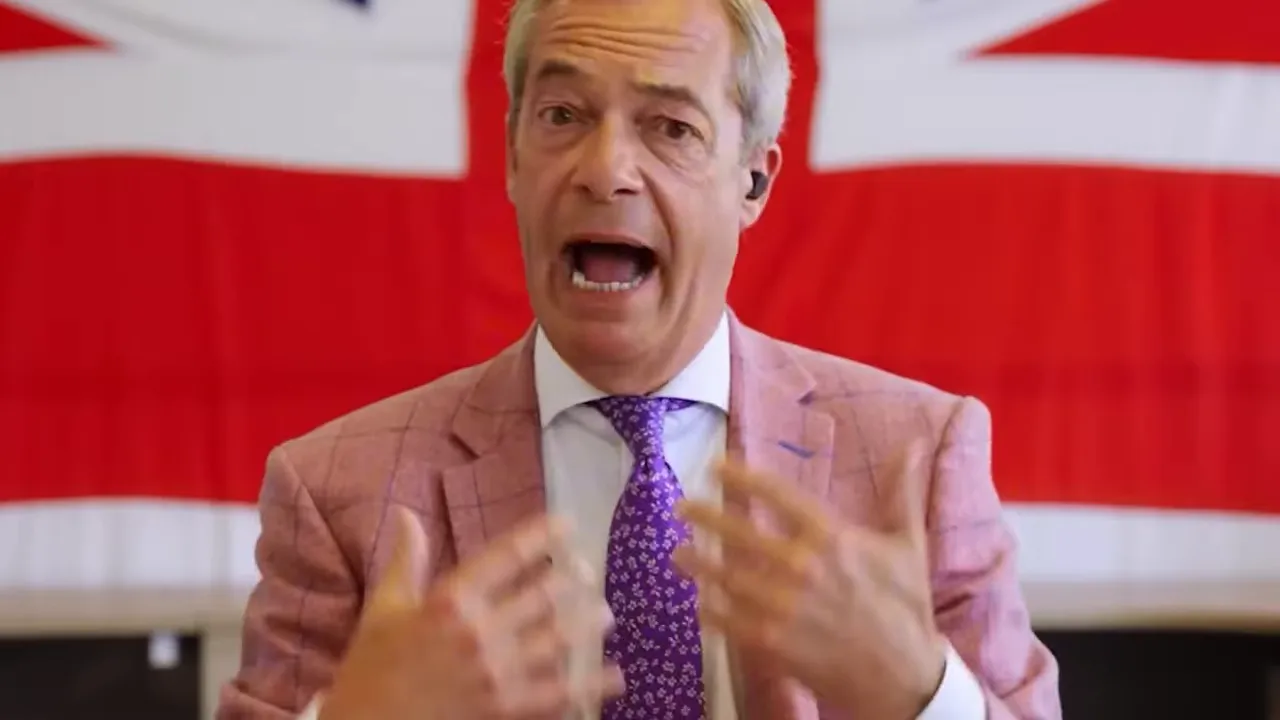
Britain is at the center of a fierce argument about who the country is, what it stands for, and whether its political class still has the nerve to defend it. In this speech, Nigel Farage lays out that case in blunt terms. His central message is simple: a nation that stops believing in itself eventually gives way to forces that are more confident, more organized, and more willing to shape the future.
His criticism ranges across diversity and inclusion policy, the Equalities Act, Brexit, the European Union, Keir Starmer, illegal immigration, free speech, Islamism, and national identity. The themes are tied together by one larger claim: Britain is being pushed toward a model where borders are weak, culture is treated as an embarrassment, and merit is replaced by group based politics.
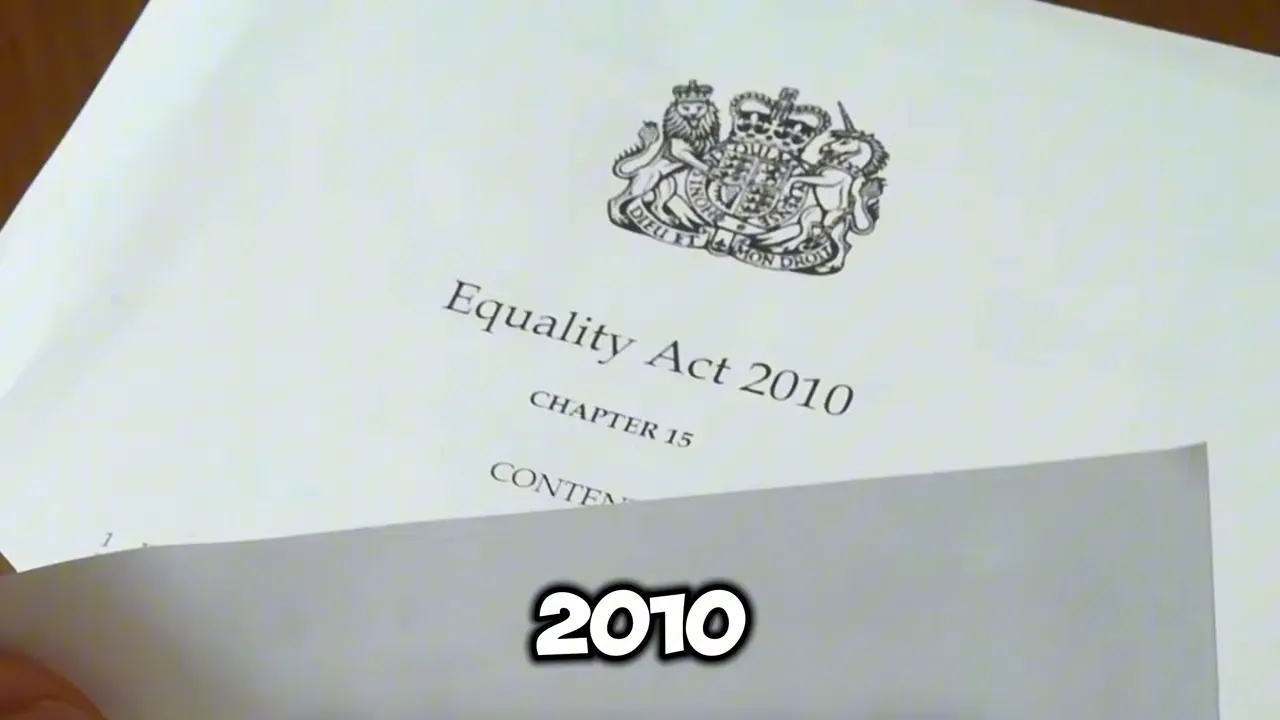
Why Farage wants the Equalities Act and DEI laws scrapped
Farage begins with a direct attack on modern diversity and inclusion policy. He argues that the state has become obsessed with classifying people by race, ethnicity, and sexual identity instead of treating them as individuals. In his view, that approach does not unite the country. It fragments it.
He says Britain should move away from laws and institutional practices that elevate identity categories in public life. His preferred standard is one based on character, ability, and whether someone contributes to society. The point he is making is not that differences do not exist, but that government and employers should not build their decision making around those differences.
That is why he calls for the abolition of diversity and inclusion laws and for the removal of the Equalities Act introduced in 2010. He presents this not as a technical legal reform but as a philosophical reset. Britain, in his telling, should stop asking what box a person belongs in and start asking whether that person is capable, decent, and productive.
His complaint is that DEI frameworks turn citizenship into a contest among groups. Once institutions begin hiring, promoting, and rewarding people through quotas or demographic targets, he believes merit takes a back seat. The result, he says, is not fairness but resentment.
Brexit, border control, and the unfinished revolt
Farage treats Brexit as a moment when millions of people tried to pull the emergency brake on the direction of the country. For him, the vote to leave the European Union was not just about trade or treaty law. It was about reclaiming borders, sovereignty, and democratic control.
He describes the EU as a centralized political project driven by power and bureaucracy rather than by democratic consent. In his account, Brussels represents a model that weakens nation states and replaces self government with remote decision makers. That is why he speaks about the EU in civilizational terms, not merely administrative ones.
But his sharpest frustration is aimed at what happened after the referendum. He argues that the demand to control borders was clear, yet the political establishment failed to carry it through in practice. The public asked for a course correction, and Westminster, in his view, delivered excuses, delay, and timidity.
This is a recurring point in his politics. The vote was won, but the underlying struggle never ended. If a country formally leaves a political union but still cannot police its frontiers or set its own social terms confidently, then for Farage the deeper problem remains unsolved.

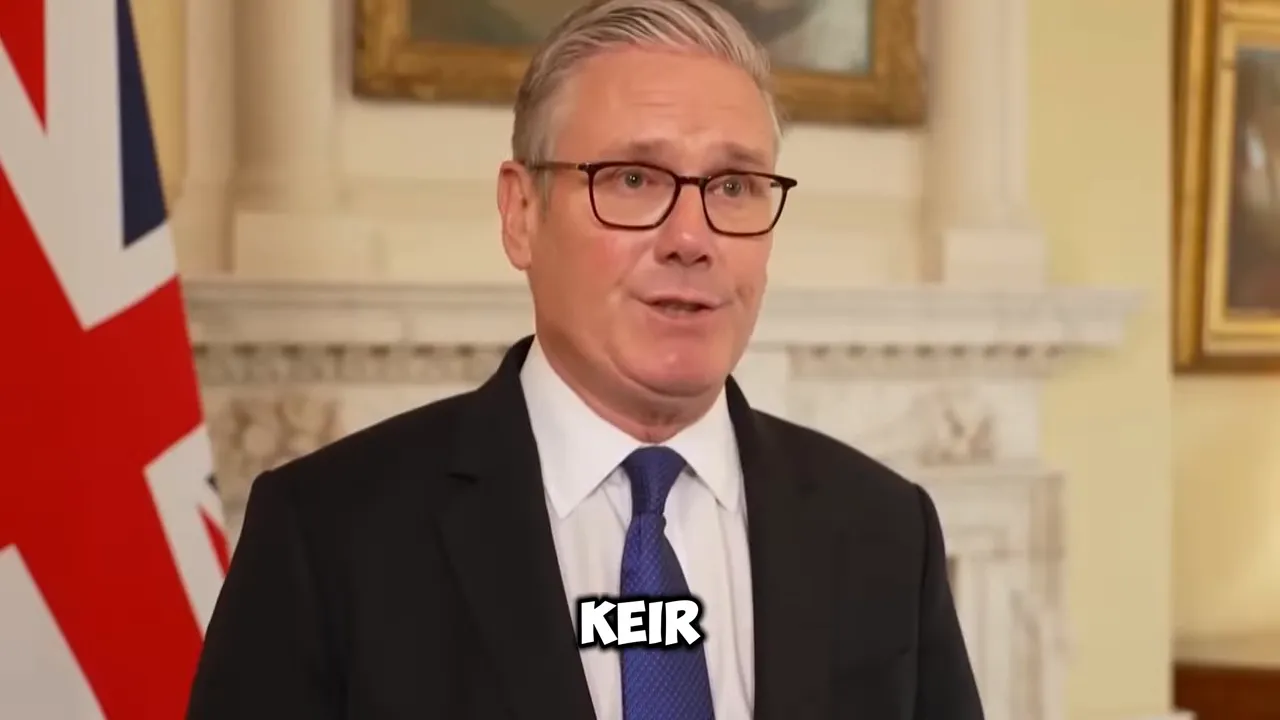
His case against Keir Starmer
Farage’s critique of Keir Starmer is not limited to personality, although he certainly makes that point too. He says Starmer lacks the qualities people look for in a leader, especially the ability to inspire confidence in difficult times. To Farage, leadership is not just administration. It is clarity, conviction, and the power to rally a nation.
More importantly, he argues that Starmer offers no meaningful break from the recent consensus. On climate policy and economics, Farage says Labour looks too much like the Conservatives. The branding may be different, but the governing assumptions are largely the same.
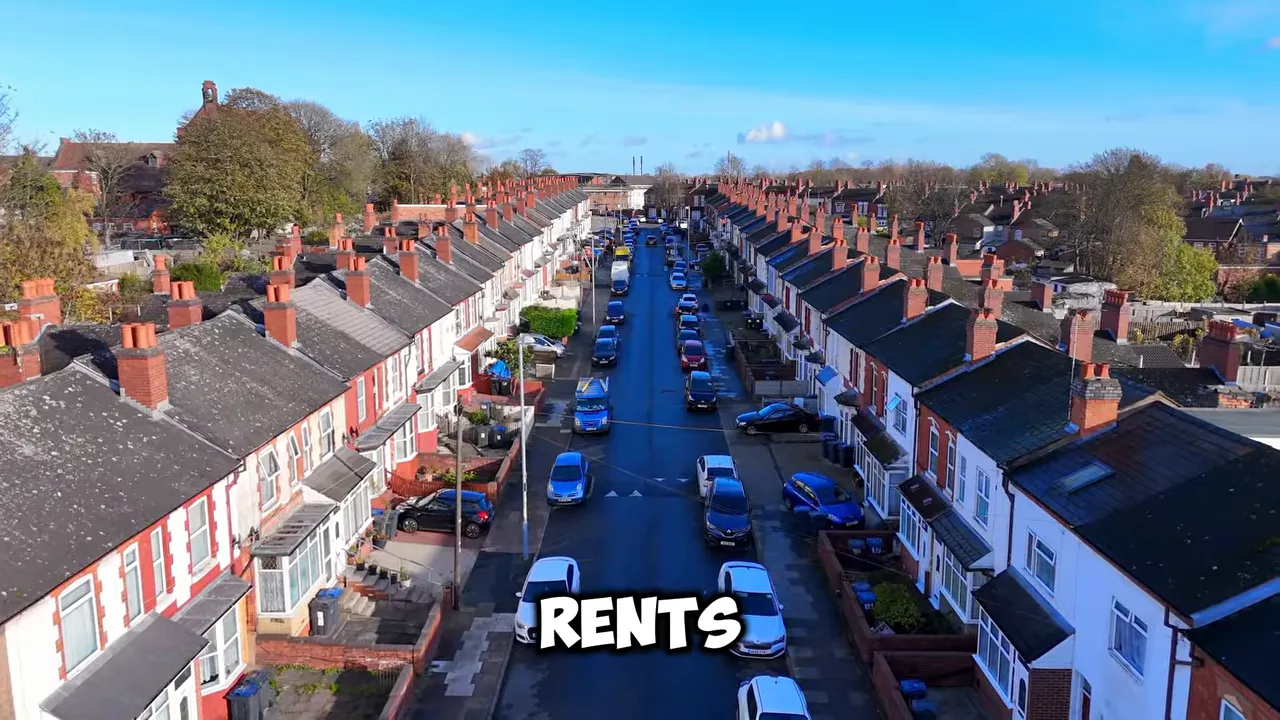
That matters because the pressures facing Britain are serious and immediate. Farage points to population growth, strained public services, a housing market that locks out the young, and rents that swallow huge portions of income. He insists these are not minor irritations. They are signs of systemic failure.
His conclusion is that a promise of change without a break from the policies that created the crisis is not change at all. It is continuity with a new label.
Islam versus Islamism in Farage’s argument
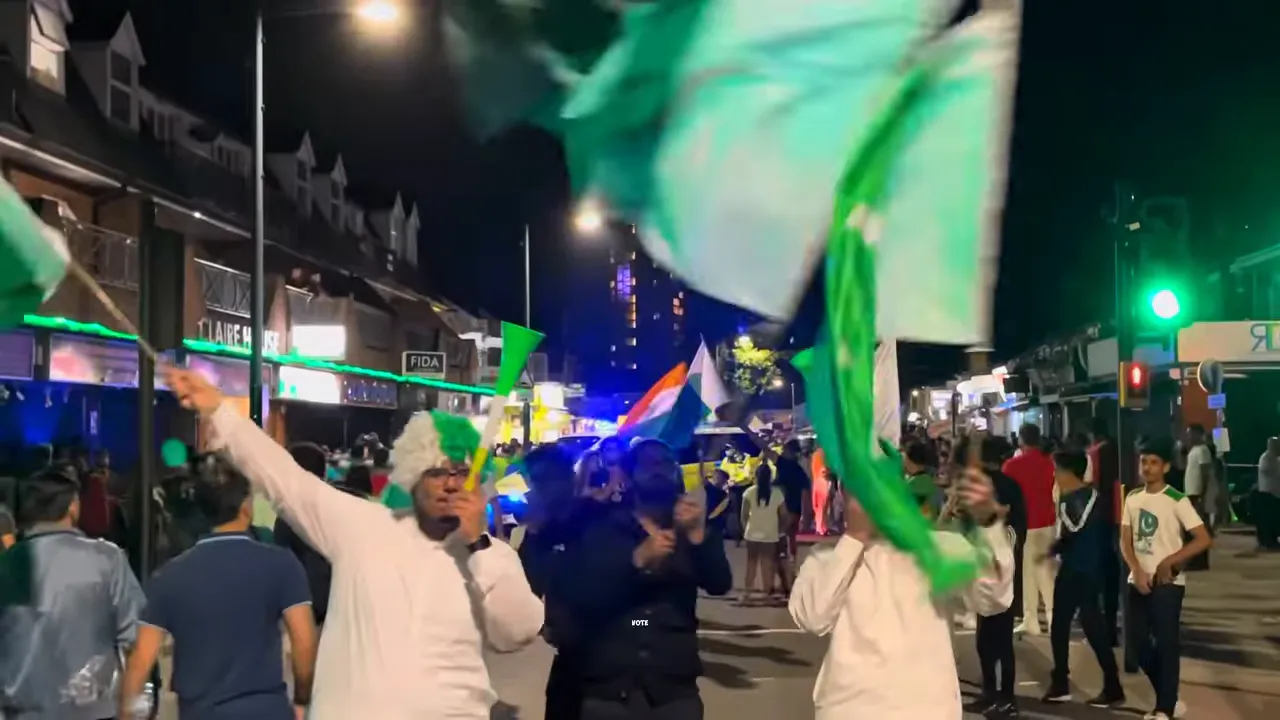
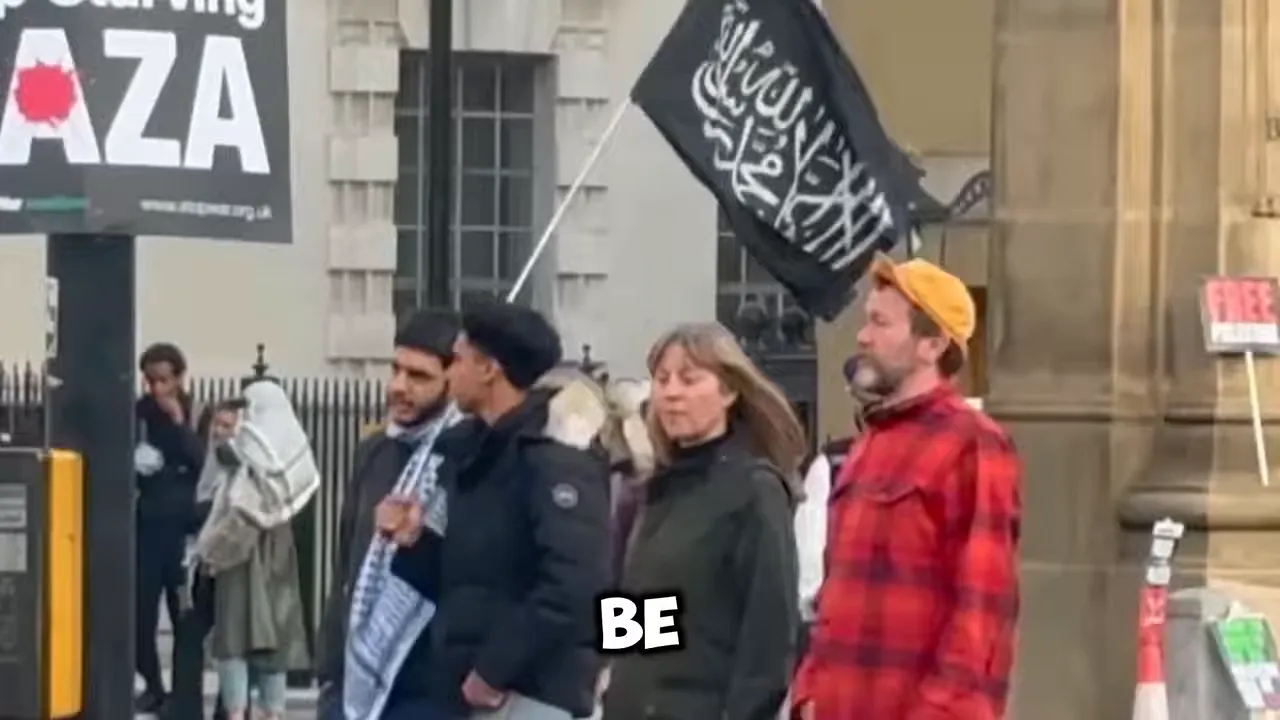
One of the most controversial sections of the speech is Farage’s distinction between Islam as a religion and Islamism as a political force. He stresses that he is not talking about all Muslims. His argument is that within Islam there are activist currents that seek not merely to practice faith privately, but to reshape public life and social norms.
He describes Islamism as a movement that, in his view, attempts to overturn established British values and substitute a different moral and legal order. He frames this as a direct challenge to social cohesion and to the inherited assumptions of British civic life.
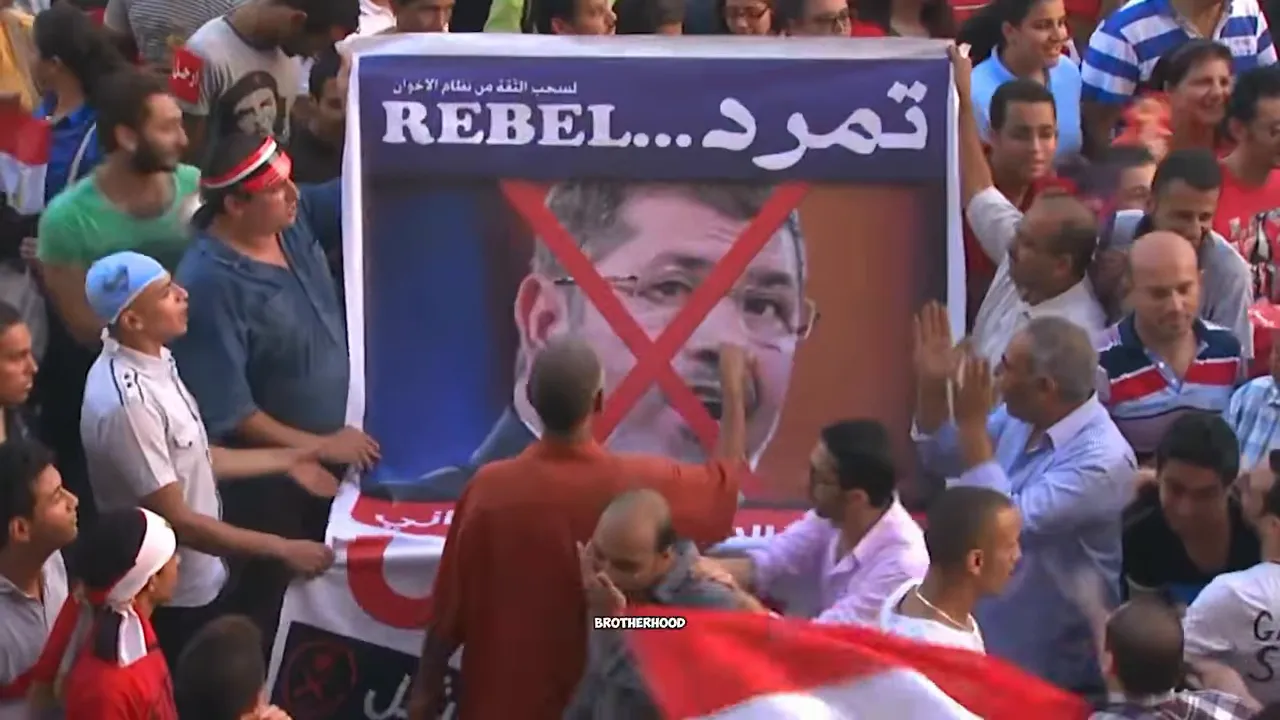
He also says the government has become too hesitant in confronting such movements. As one example, he points to the Muslim Brotherhood, noting that several Middle Eastern countries have banned it for promoting extremist ideology. His complaint is that Britain lacks that same resolve.
From there, he moves into the politics of fear and caution. According to Farage, mainstream politicians worry about the electoral consequences of challenging Islamist activism too directly. That, he argues, produces a timid official culture where difficult questions are avoided.
Free speech, policing, and the idea of two tier justice
Farage connects this issue to free speech. He argues that criticism of Islam can trigger swift social or police reaction, while inflammatory anti British rhetoric from others is often tolerated. In his telling, this amounts to unequal standards of enforcement and a justice system that applies caution selectively.
That is where he introduces the idea of two tier treatment. The phrase captures a broader grievance on the right that ordinary citizens are scrutinized heavily for offensive speech, while some groups are handled more delicately because the authorities fear unrest, accusations, or political backlash.
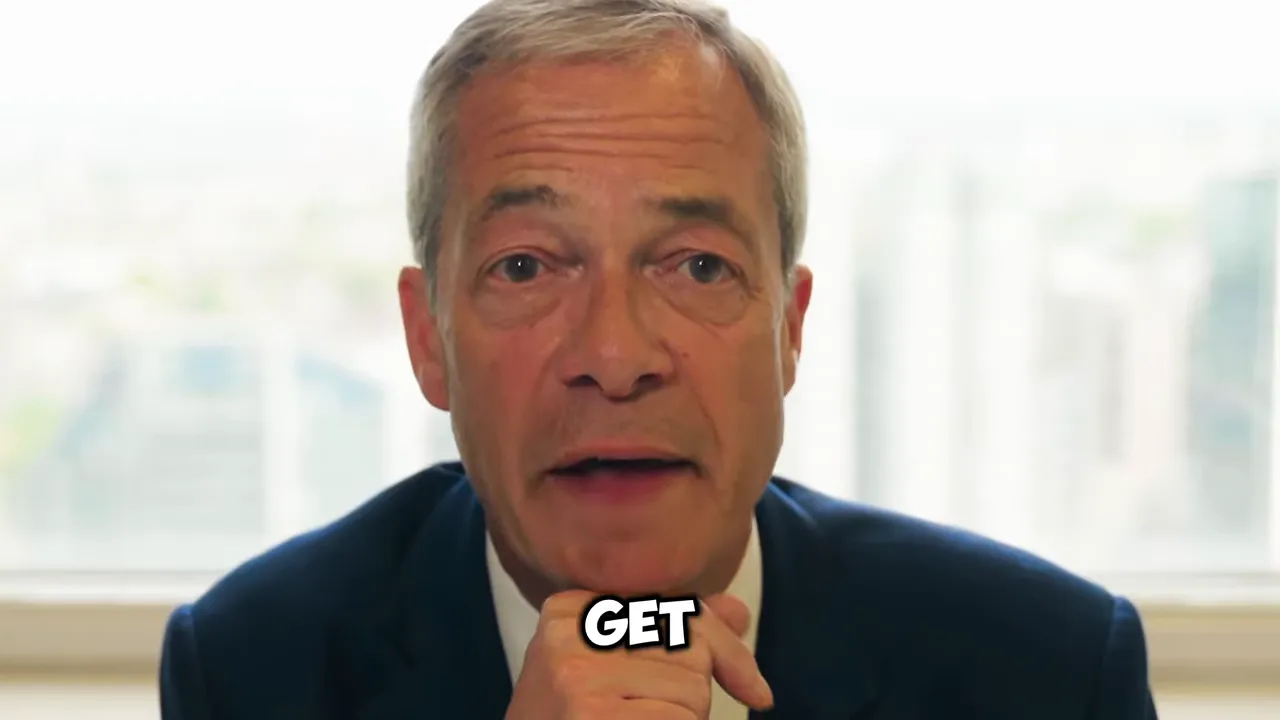
Whether one agrees with that framing or not, it is central to the way Farage structures the problem. He is arguing that free expression, public confidence, and equal treatment under the law cannot survive if the state appears nervous about enforcing standards consistently.
For him, this is not a narrow legal question. It goes to legitimacy. If citizens believe some ideas can be mocked while others are effectively protected, trust in the system deteriorates.
Foreign nationals, loyalty, and the limits of tolerance
Farage takes a hard line on foreign nationals who openly agitate against Britain. His position is straightforward: people who are not British citizens and who actively work against the country should not be allowed to remain. He treats that as common sense rather than as an extreme position.
Behind that statement is a larger argument about loyalty. A functioning country, in his view, cannot be indifferent to whether newcomers accept the basic legitimacy of the nation they have entered. Immigration is not merely about physical presence. It also raises questions of civic alignment, shared rules, and allegiance.
British culture, history, and national identity
Farage describes himself as a traditionalist, and this section explains what he means. He believes culture matters, history matters, and national education matters. A country that cannot explain itself to its own children, he suggests, will eventually lose the confidence needed to sustain itself.
He places special emphasis on the religious and moral inheritance of the West, referring to the Judeo Christian foundations that helped shape British and European civilization. His point is not simply theological. He is talking about the values, institutions, and assumptions that emerged from that tradition and still influence public life.
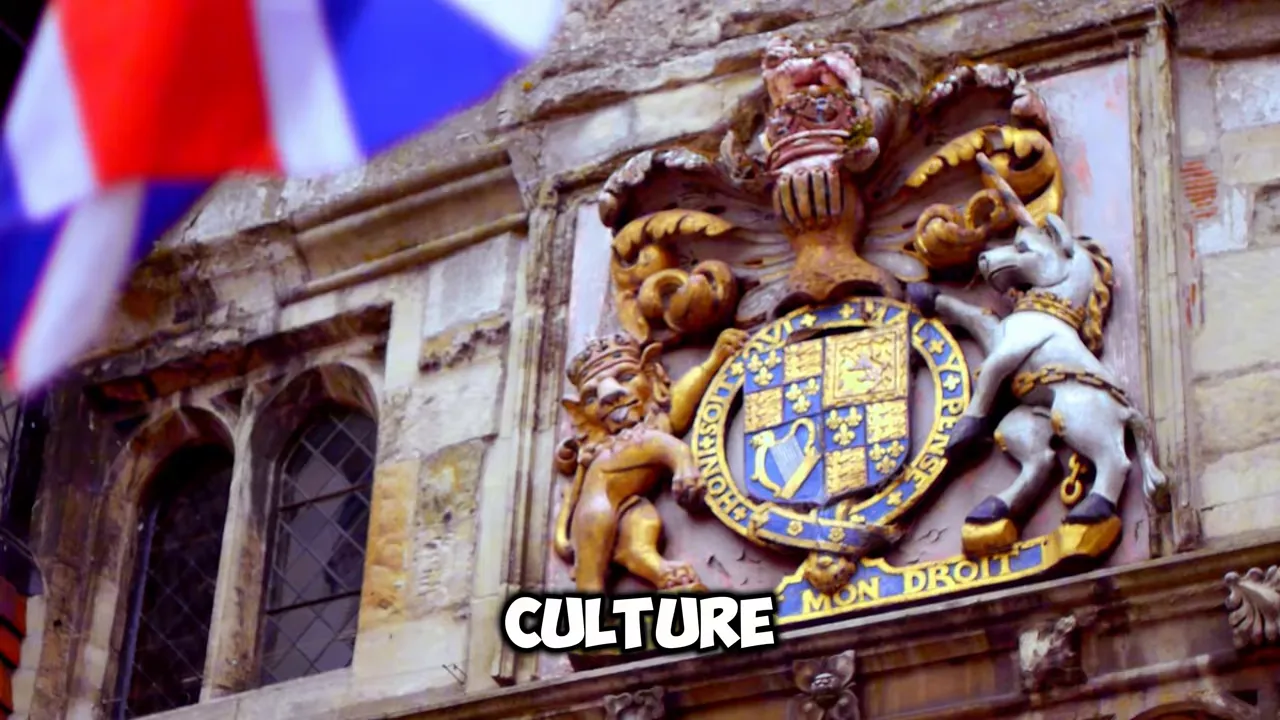
This is where his broader cultural critique sharpens. He argues that progressivism often treats inherited identity as suspect, old fashioned, or oppressive. By doing so, he says, it strips younger generations of a stable sense of belonging.
In his view, national identity should not be reduced to embarrassment or apology. It should be taught, understood, and defended, even while acknowledging historical flaws and imperfections.
Why he sees immigration as an economic and cultural crisis
Farage’s comments on immigration are among the most forceful in the speech. He focuses especially on illegal Channel crossings and the treatment of migrants who arrive without authorization. He describes the current system as both economically damaging and politically indefensible.
His argument is that the state rewards illegal entry with accommodation, meals, spending money, and eventual routes to settlement. He also says the long term costs spread far beyond the initial arrival, extending into housing pressure, benefits, and family reunification.
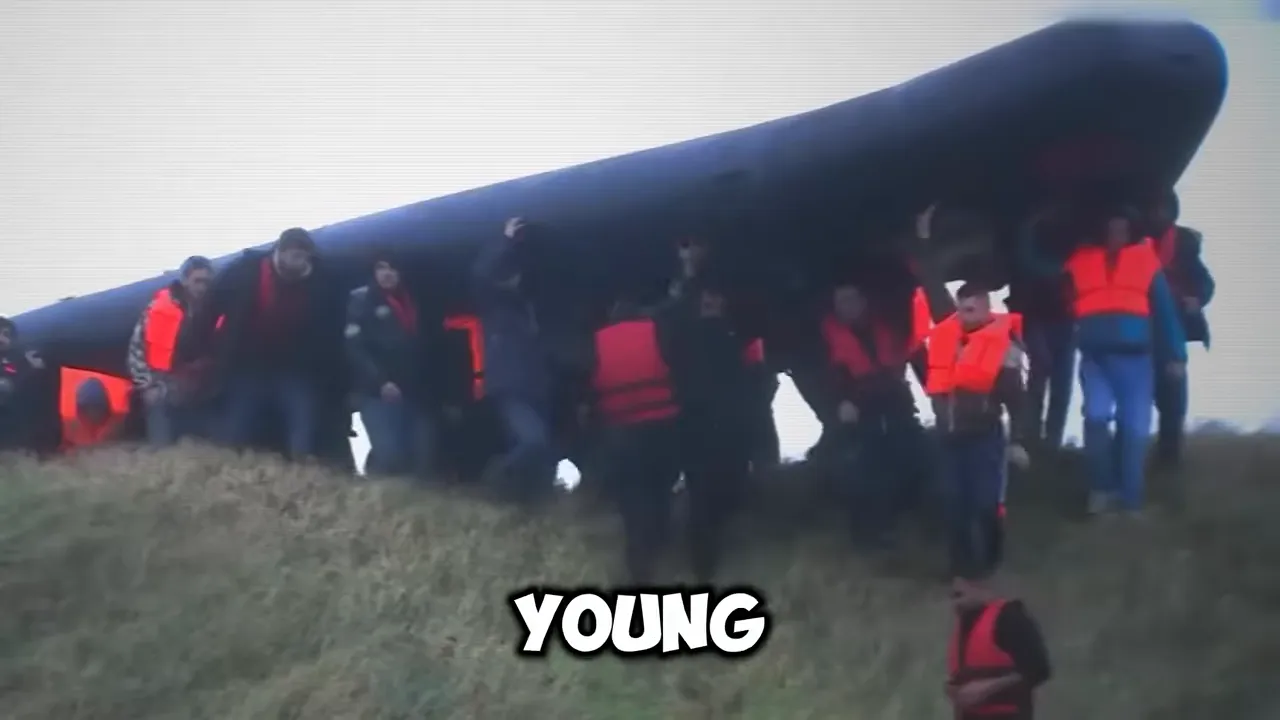
He frames this as a major burden on a country already struggling with housing shortages and failing public services. If younger Britons cannot afford homes and rents consume more than half their income, he argues, then continuing mass inflows under current rules becomes socially explosive.
Farage also presents illegal migration as a question of fairness. In his view, a nation cannot ask its own citizens to queue, pay, and obey the rules while allowing others to bypass the system and still receive state support.

Defending Western values against progressive politics
Farage says the political pendulum is beginning to swing back because ordinary people are tired of being told that common sense is somehow extremist. He believes public opinion is moving toward tougher borders, firmer cultural confidence, and less patience for ideological experiments.
His answer is to defend what he calls Western values. That means the liberties, habits, and institutions developed over centuries, imperfect but valuable. He is explicit that civilization is never flawless, yet he insists that what Britain inherited is worth preserving rather than dismantling.
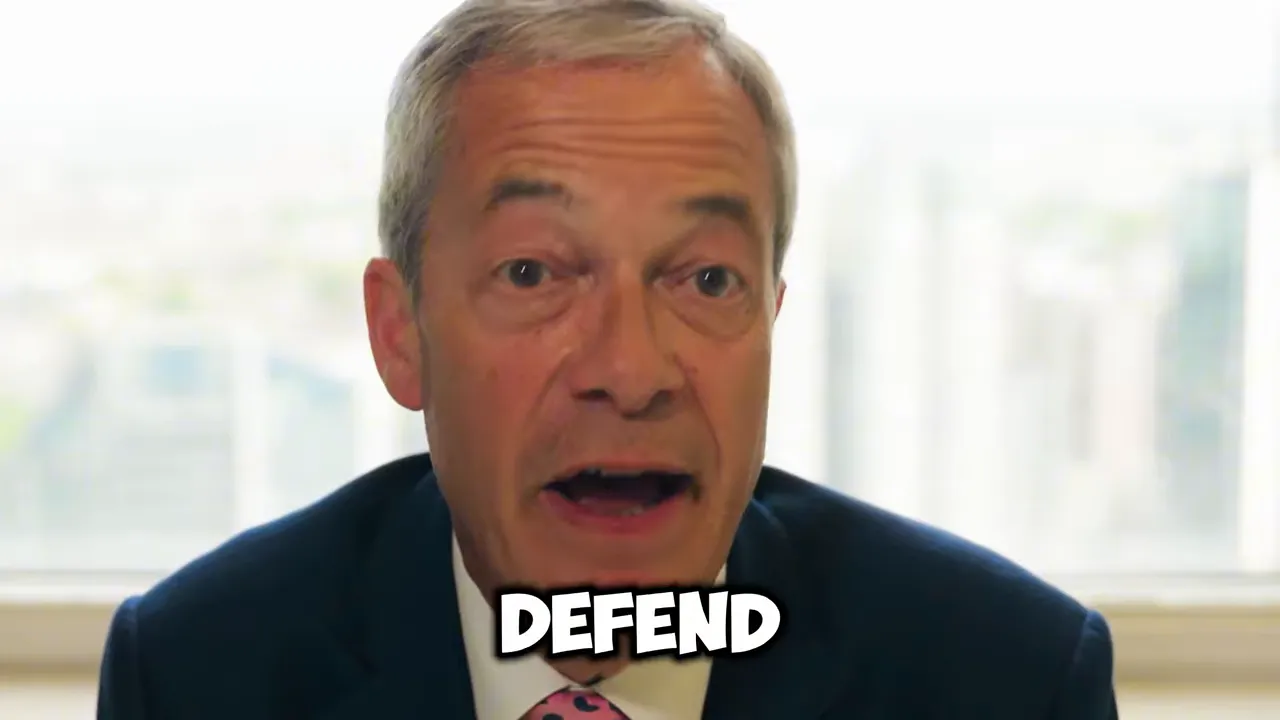
In his framework, progressivism is not just another political preference. It is a destabilizing force that erodes identity, clouds moral judgment, and weakens the confidence needed for national survival. That is why he talks about resistance rather than compromise.
The speech is built around a warning that retreat invites further retreat. Once a society loses the habit of defending itself, it starts accepting as inevitable things it would once have rejected outright.

Gender politics and social confusion
Farage argues that contemporary debates over gender identity have introduced deep confusion into public life. He says young people are receiving conflicting messages about sex, identity, and social roles, and that institutions often treat anyone who objects as morally suspect.
He points in particular to disputes over changing rooms, women only spaces, and prison placements. His claim is that the state and other institutions increasingly prioritize ideological language over practical concerns about privacy, safety, and common understanding.

He presents this as part of a larger pattern in which ordinary distinctions are declared unacceptable and concerns are dismissed rather than debated. In his account, that does not create compassion or clarity. It creates confusion, resentment, and silence.
Whatever one thinks of his position, it fits neatly into his broader thesis that progressive politics pressures people to deny what they can plainly see and punishes those who resist.

DEI, quotas, and the return of meritocracy
Farage returns to DEI by arguing that it encourages organizations to recruit and promote by quota rather than by competence. He says that when companies and public bodies are told to fill demographic targets, they stop treating applicants as individuals and start treating them as representatives of categories.
That, he believes, is corrosive. Instead of bringing society together, it sorts people into ever smaller compartments. Once that happens, social trust weakens because everyone begins to suspect that standards are no longer neutral.

His alternative is the old liberal principle of equality before the law and equality of treatment. Judge people by their values, character, and merit, he says, not by skin color or sexual preference. This is one of the clearest organizing principles in the speech.
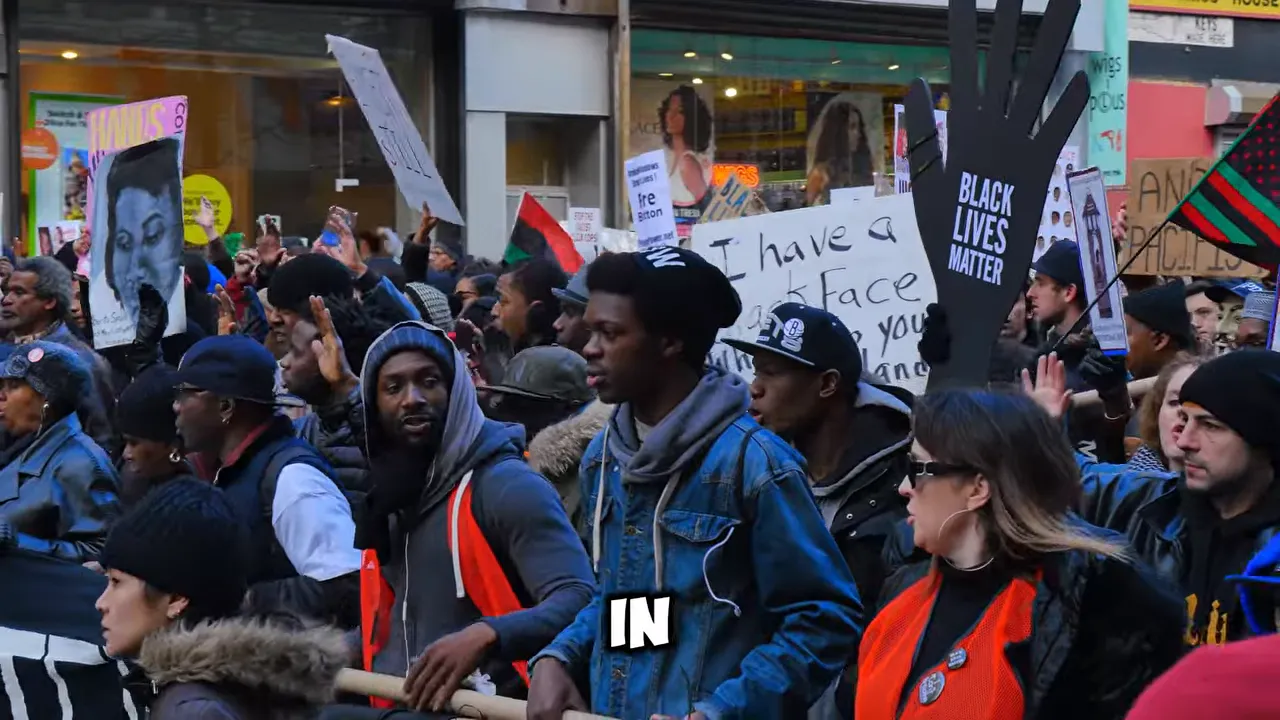
He also folds Black Lives Matter into this critique, arguing that the upheaval of 2020 reflected a wider moment of ideological excess. In his view, some of the assumptions embraced then are now being reconsidered more critically.
His preferred approach to deportation and border enforcement
Farage says Britain should take a firmer but orderly approach to removing people who are in the country illegally. He points to the United States as an example, noting that illegal entrants can be deported in large numbers under governments of different political stripes.
His preferred model is practical rather than theatrical. Identify those who have no legal right to remain, confront the reality directly, and offer a managed route home with travel arranged and some modest financial help. He presents this as a more efficient and more humane alternative than endless legal limbo.

The underlying assumption is that enforcement only works if the state is willing to carry it out consistently. Symbolic promises do not change incentives. Actual removals do.
For Farage, border control is not one issue among many. It is the foundation of democratic self government. A country that cannot decide who enters, who stays, and on what terms is, in his view, not fully governing itself.

Integration versus cultural replacement
Farage ends by drawing a distinction between past immigration and more recent patterns. He says many earlier migrants came to work, settle, and integrate. They adapted to British life, admired aspects of the country they had joined, and did not seek to displace its norms.
His concern is that too many recent arrivals, in his account, have approached Britain differently. Instead of integrating into an existing culture, he says some are attempting to impose values that conflict with it. That, for him, is the line between successful immigration and social fracture.
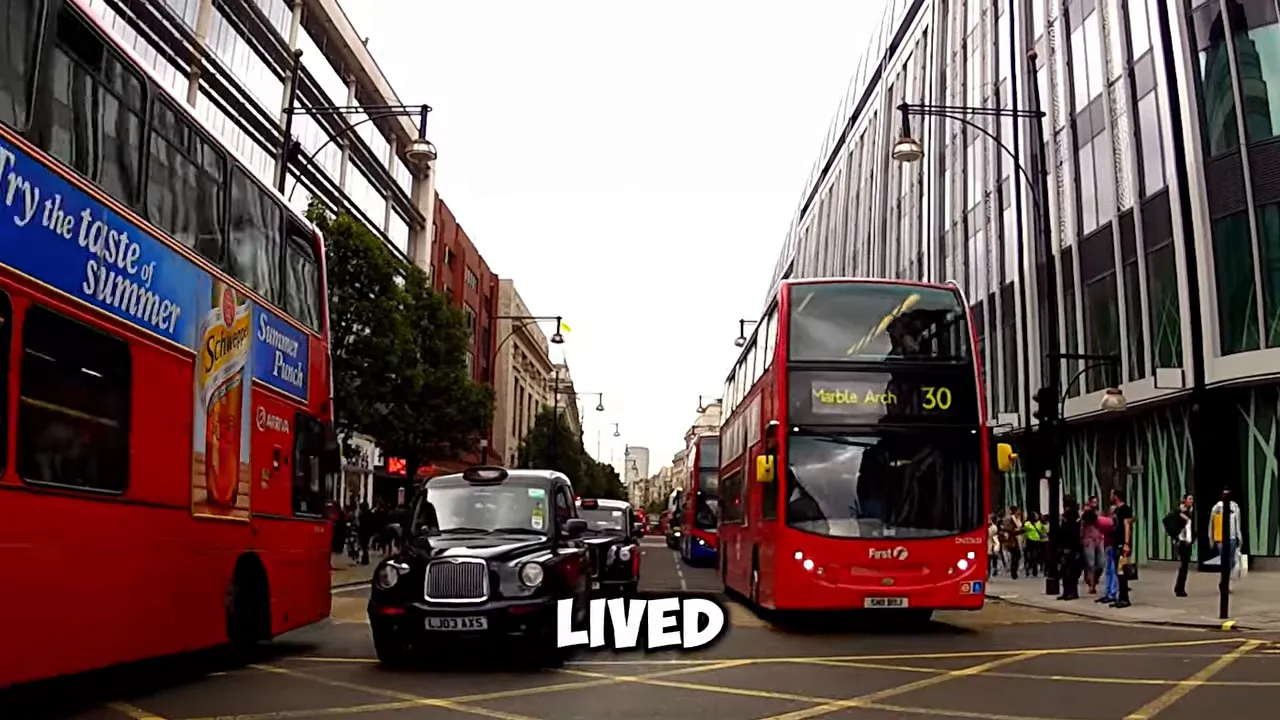
This final point ties together everything else in the speech. The border question, the free speech question, the DEI question, the argument about Islamism, and the critique of political leadership are all, for Farage, facets of one problem. Britain is losing confidence in its own right to remain itself.
His warning is that a society cannot survive on procedural slogans alone. It has to know what it believes, what it will protect, and what it will no longer tolerate. Otherwise, surrender does not arrive all at once. It comes piece by piece, dressed up as moderation, caution, and managerial necessity.


Leave a Comment