
IT'S ALMOST TOO LATE: Geert Wilders' Warning That Europe Has Become Unrecognizable
Geert Wilders delivers a blunt and confrontational warning about the direction of Europe. His argument is that national sovereignty, border control, and cultural identity have been steadily weakened by political elites, especially in Brussels, while ordinary citizens are expected to accept the consequences in silence.
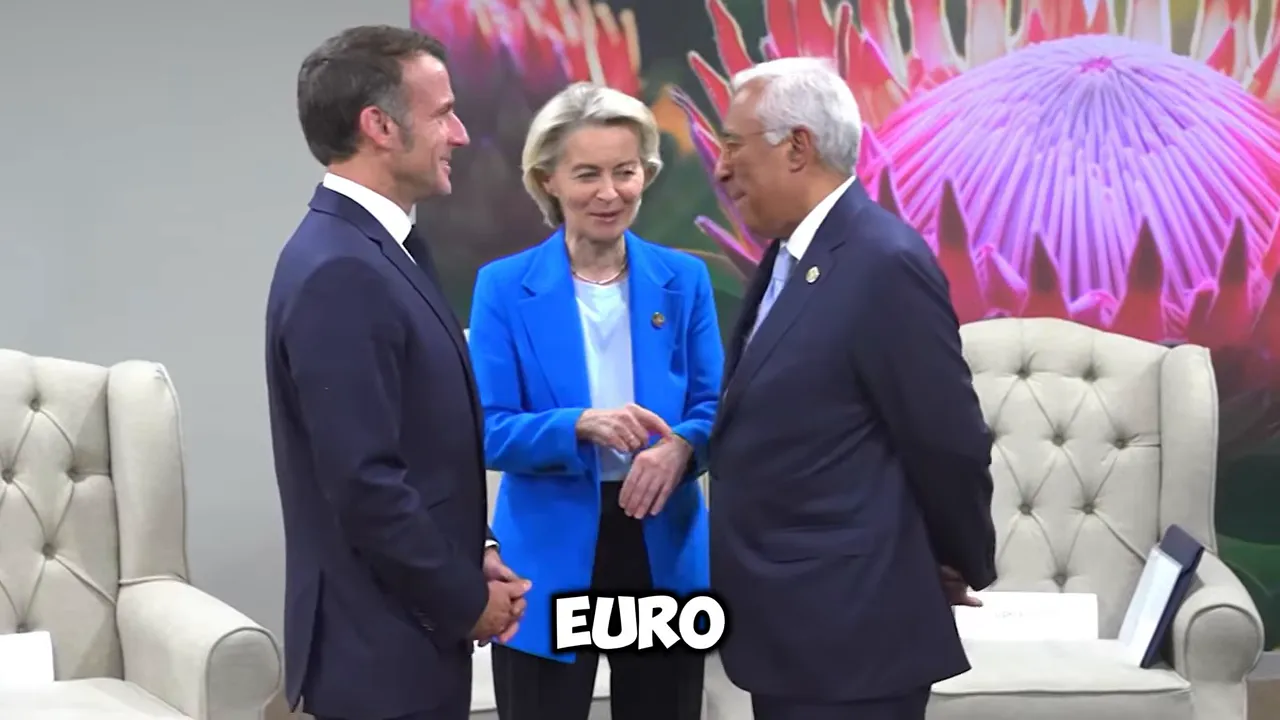
At the center of his message is a sense of urgency. He says Europe is facing not one isolated problem, but a broad political and civilizational struggle involving immigration, ideology, and the structure of the European Union itself.
The Three Threats He Says Are Reshaping Europe
Wilders frames the crisis around three major threats. First is mass immigration and what he calls Islamization. Second is woke ideology. Third is Euro-federalism, meaning the steady transfer of power away from sovereign nations and toward unelected institutions in Brussels.
His case is that these trends are not separate. In his telling, they reinforce each other. Weak borders make migration harder to control, cultural pressure discourages dissent, and centralized European institutions push policies that national electorates never truly approved.
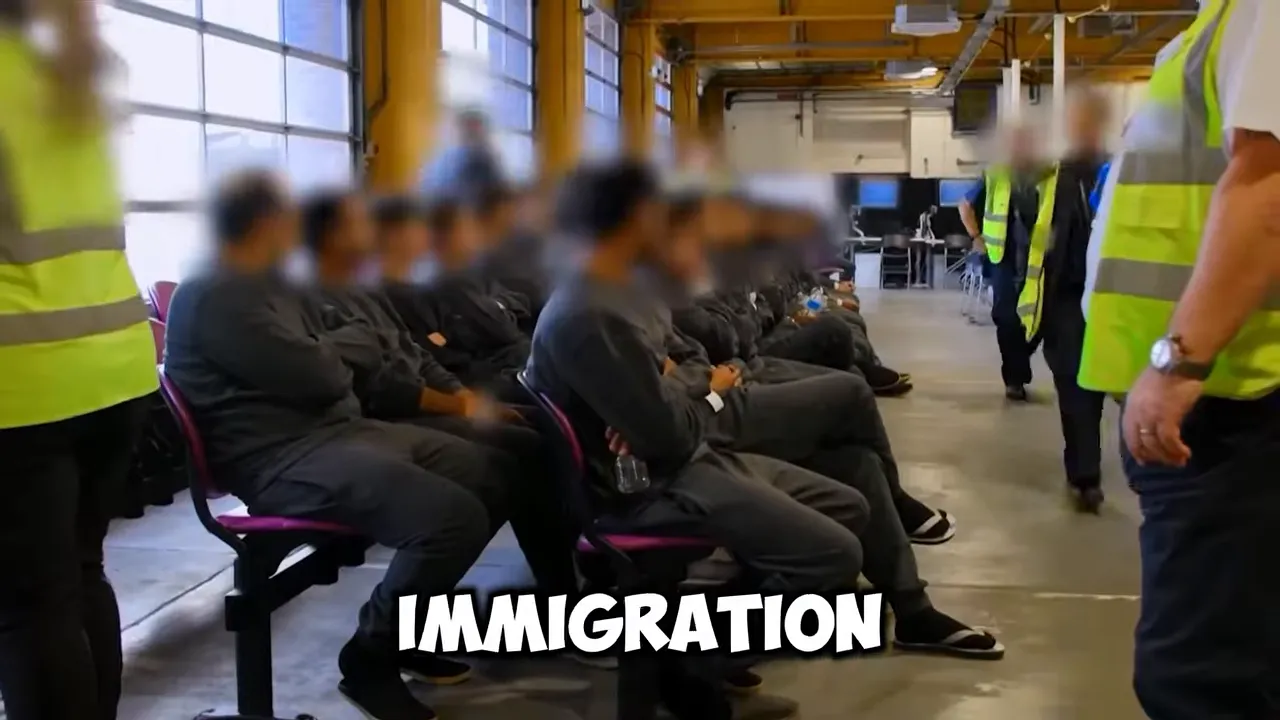
That combination, he argues, has left many Europeans feeling alienated in their own neighborhoods. He describes a continent where people increasingly feel that the familiar social and cultural character of their countries is slipping away.
His criticism is not just about policy outcomes. It is also about legitimacy. He portrays the political establishment as detached from public concerns and convinced that ordinary citizens must adapt to decisions made far above them.
Why He Sees Brussels as Part of the Problem
Wilders directs much of his criticism at the EU bureaucracy. He presents Brussels as a political class that believes it knows better than national electorates and reacts aggressively when challenged.
In his account, disagreement is not treated as a normal part of democracy. Instead, dissenting voices are marginalized, pressured, or shut out. He also accuses EU institutions of trying to influence political outcomes inside member states, which he portrays as an attack on democratic self-government.
He goes further than a routine anti-bureaucratic critique. He argues that the Europe being built by federalist elites is not a partnership of nations but a centralized political structure that erodes independence. His language is intentionally severe, comparing that model to an overbearing superstate.
From his perspective, the core dispute is simple. Should European countries remain sovereign nations with their own borders, identities, and political choices, or should they become subordinate units inside a larger political machine?
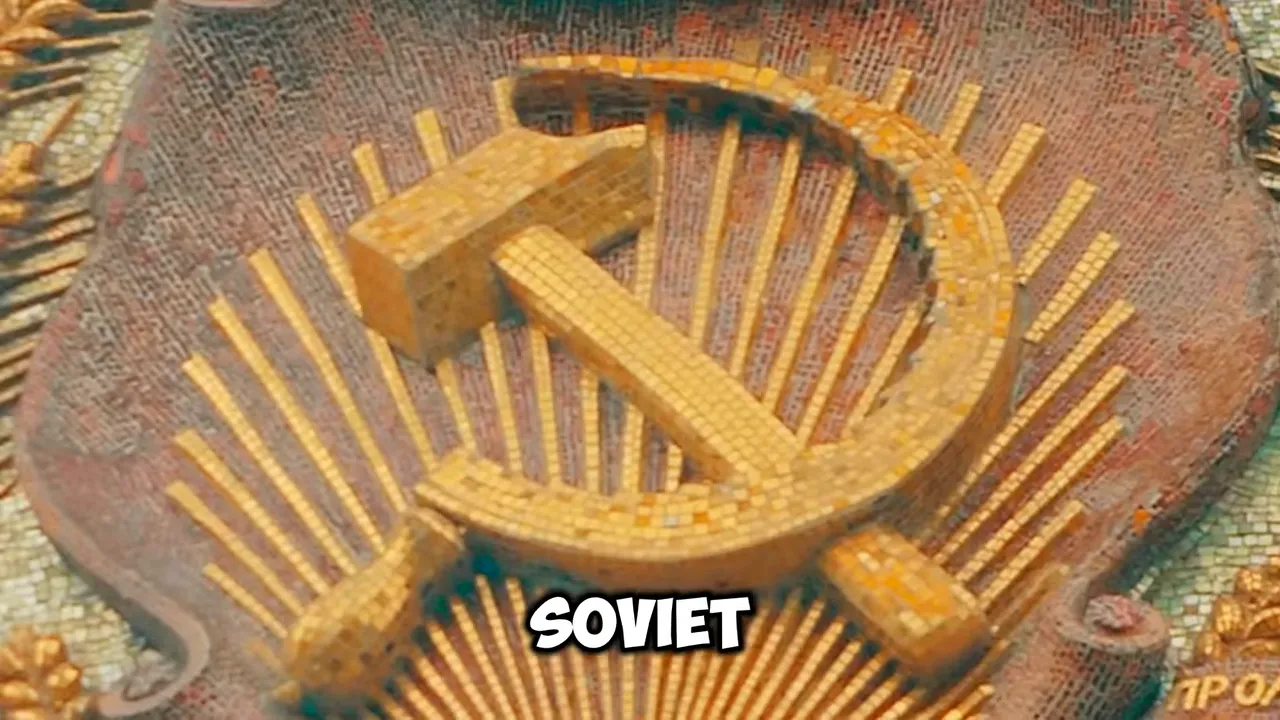
From Diversity to What He Calls Civilizational Erasure
One of the strongest themes in the speech is Wilders' rejection of the idea that diversity automatically strengthens a nation. He argues that this slogan has been used for years to justify large-scale demographic and cultural change without honest debate about its consequences.
He says the visible result can be seen across major Western European cities. Instead of enrichment, he sees fragmentation, rising social tension, and the loss of a common cultural foundation.
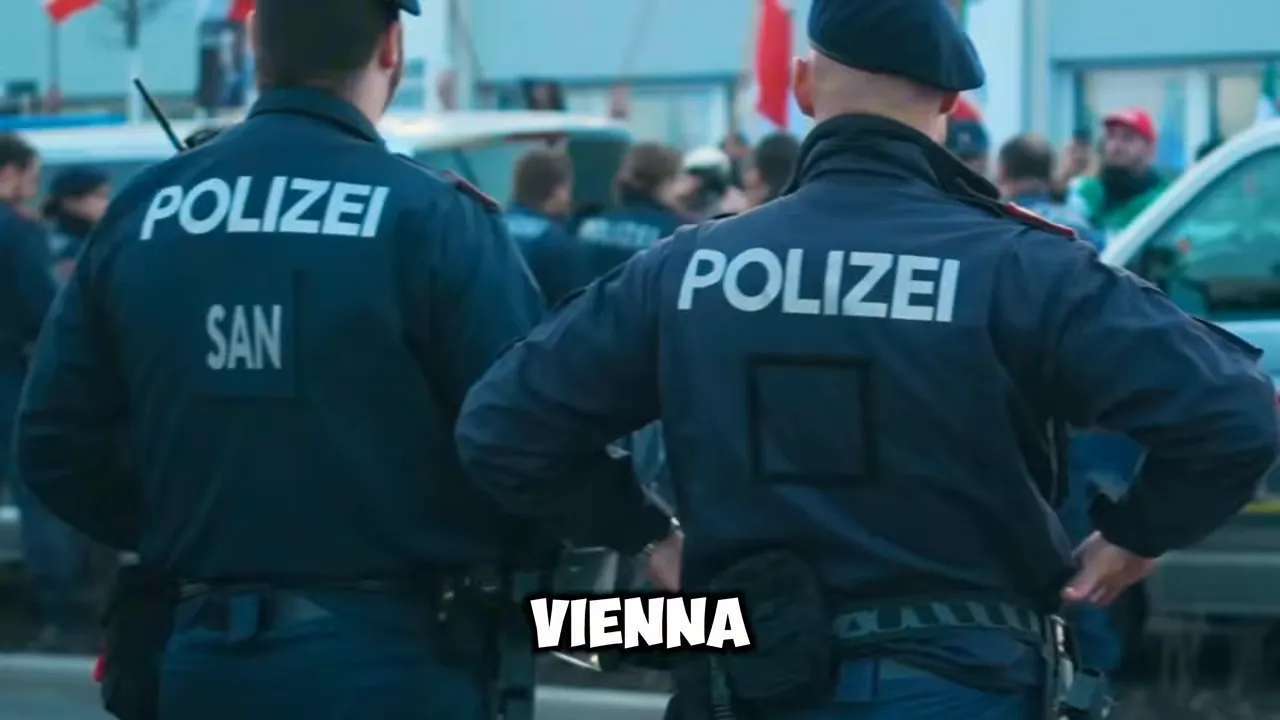
Wilders lists city after city, arguing that the scenes emerging in places like Amsterdam, Brussels, London, Paris, Vienna, and Berlin are not signs of healthy pluralism. To him, they represent the weakening of European civilization in public life, public order, and public confidence.
That is why he uses the phrase civilizational erasure. He is not describing a policy dispute in narrow terms. He is describing what he believes is a historic transformation of the cultural character of Europe itself.
His Case That Islamization Has Changed Western Europe
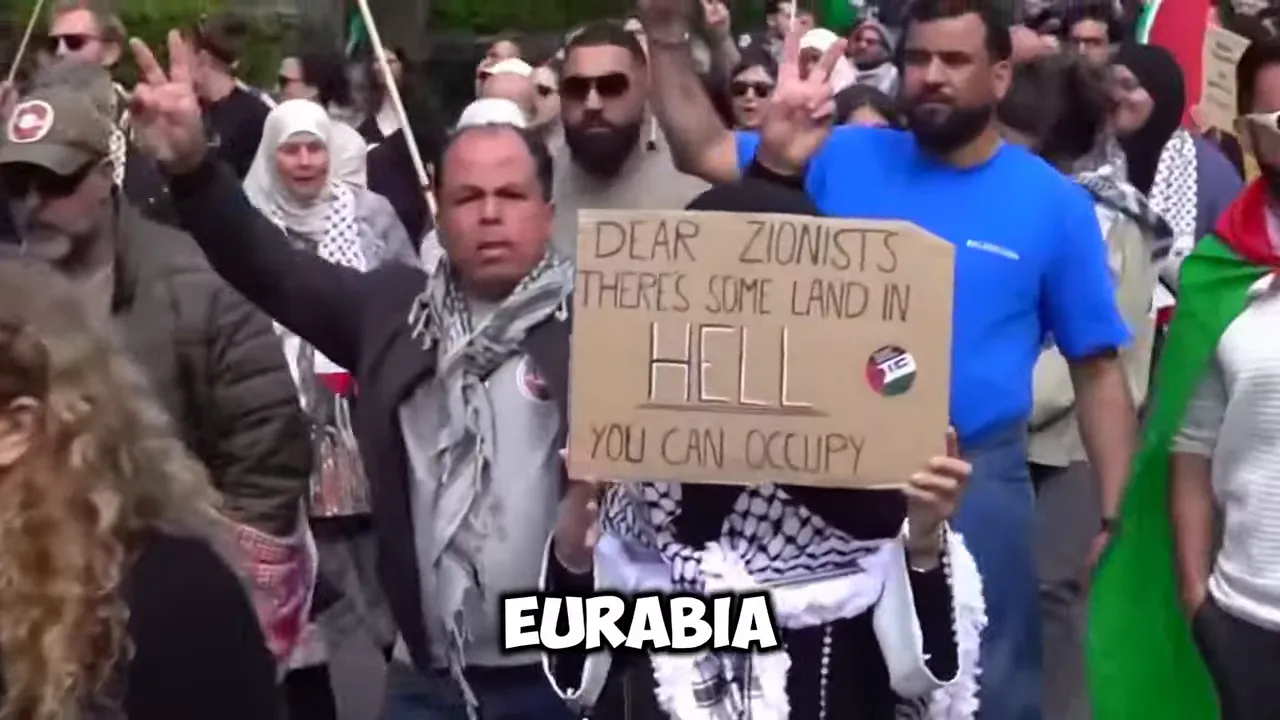
Wilders says Western Europe has already been changed so deeply that in many places it is no longer recognizable. He points to what he sees as everyday signs of this shift, including religious dress becoming more prominent, businesses increasingly oriented toward Muslim clientele, and political parties adjusting their behavior to court Muslim voters.
He adds a more severe charge as well. He claims this shift has brought increased intimidation of non-Muslims, more anti-Semitism, and a growing willingness by authorities to yield to religious demands that conflict with European legal and social norms.
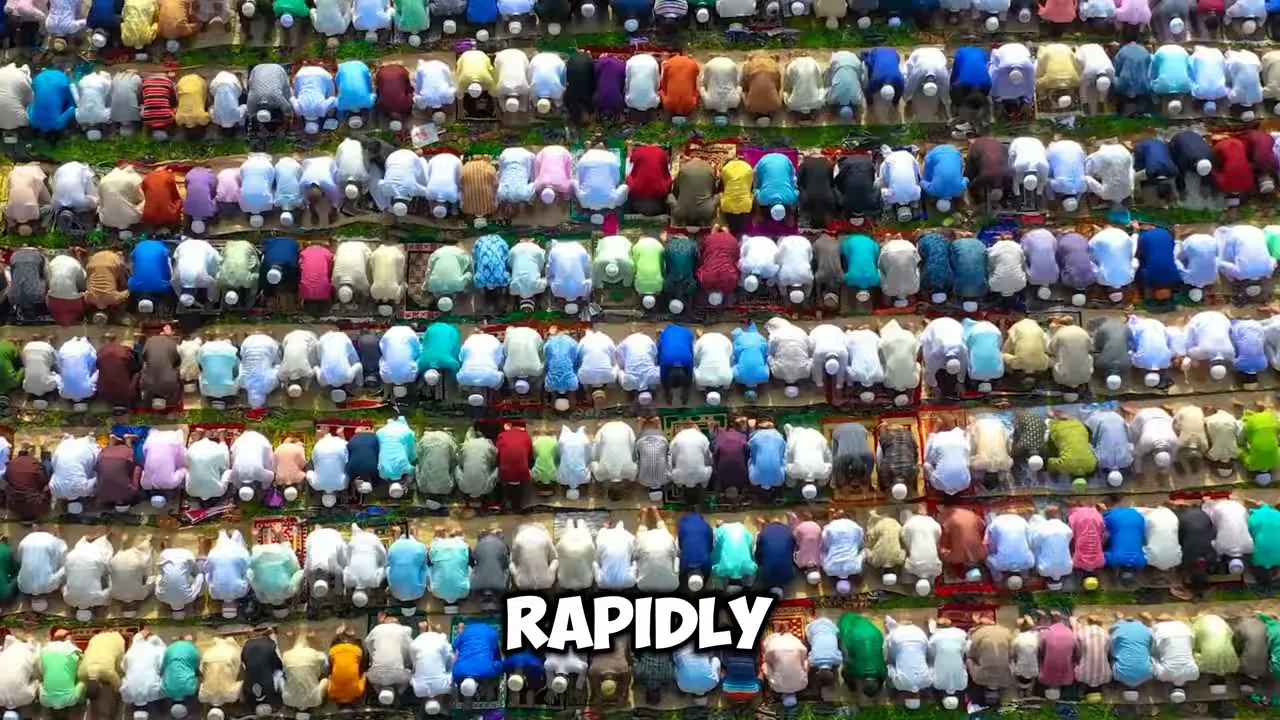
His language here is unambiguous. He portrays Sharia not as an alternative legal tradition that can coexist with European democracy, but as a coercive and authoritarian force. He warns that if current trends continue, Europe will move further away from its own traditions and closer to a future shaped by values he fundamentally rejects.
He repeatedly returns to the idea that this is not a distant possibility. In his view, it is already underway, and the remaining question is whether European nations still have the will to reverse it.
The Netherlands as His Main Example
To make the warning concrete, Wilders uses the Netherlands as a case study. He contrasts his country with Hungary, saying the Netherlands already has hundreds of mosques while Hungary has very few. The comparison is meant to show how differently European states have responded to immigration and cultural change.
He also argues that among younger people in the Netherlands, Islam has already become the largest religion, and he predicts that this demographic shift will continue until Muslims outnumber Christians nationally in the years ahead.

For Wilders, these numbers are not just demographic observations. He treats them as evidence that political decisions made over decades are permanently altering the identity of the country.
He says left wing and liberal politicians have accepted, and even encouraged, this outcome. In his telling, they are presiding over a kind of cultural self-destruction while dismissing public concern as prejudice or backwardness.
Crime, Public Safety, and the Demand for Security
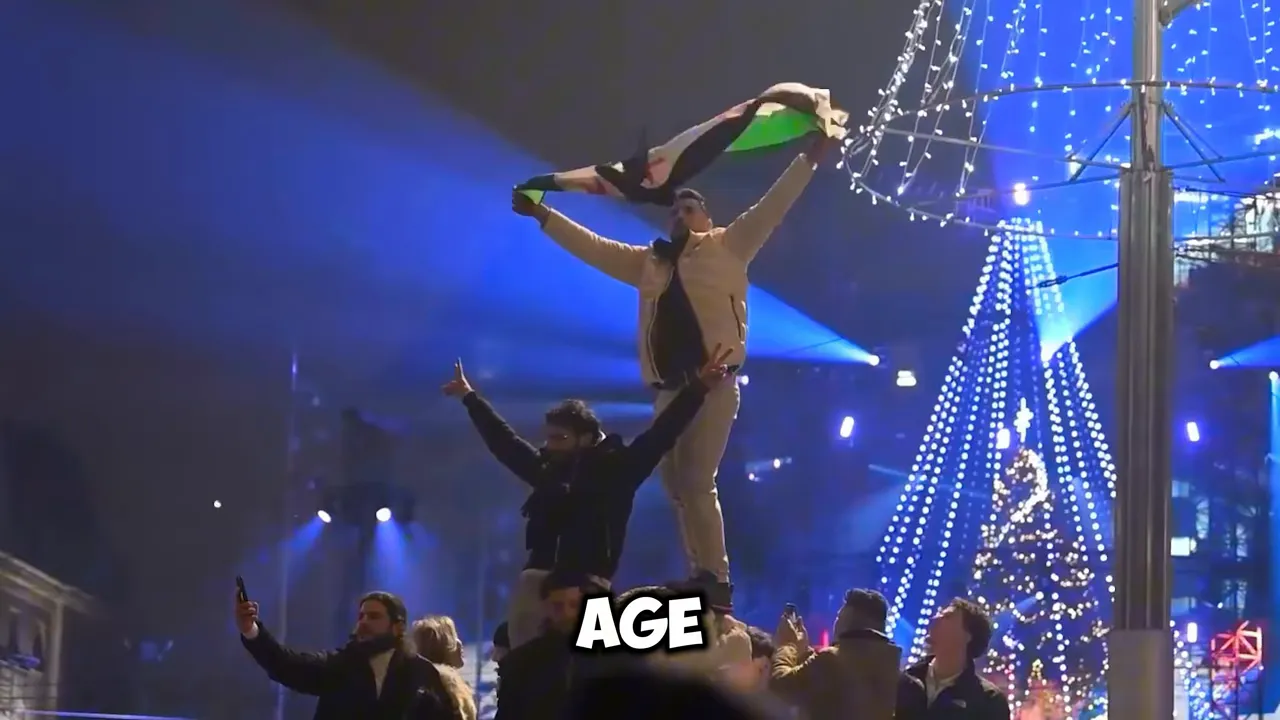
Another major part of the speech is public safety. Wilders argues that many Europeans increasingly link illegal immigration with crime and disorder, and he presents this as one of the most urgent reasons for political change.
He cites Dutch crime figures involving people with migrant backgrounds, especially sexual offense statistics, as evidence that the problem is serious and not being honestly confronted by governing elites. He presents these numbers to support a larger claim that immigration policy has direct consequences for the safety of women, families, and vulnerable citizens.
He then broadens the argument beyond the Netherlands. Across Europe, he says, ordinary people want the same level of peace and street safety they associate with countries that maintained stricter border controls.
That demand for safety becomes one of his main political messages. He presents it as a basic civic expectation, not an ideological luxury. People should be able to walk their own streets without fear, and governments that fail to guarantee that have failed at their first duty.
His Personal Experience With Threats and Protection
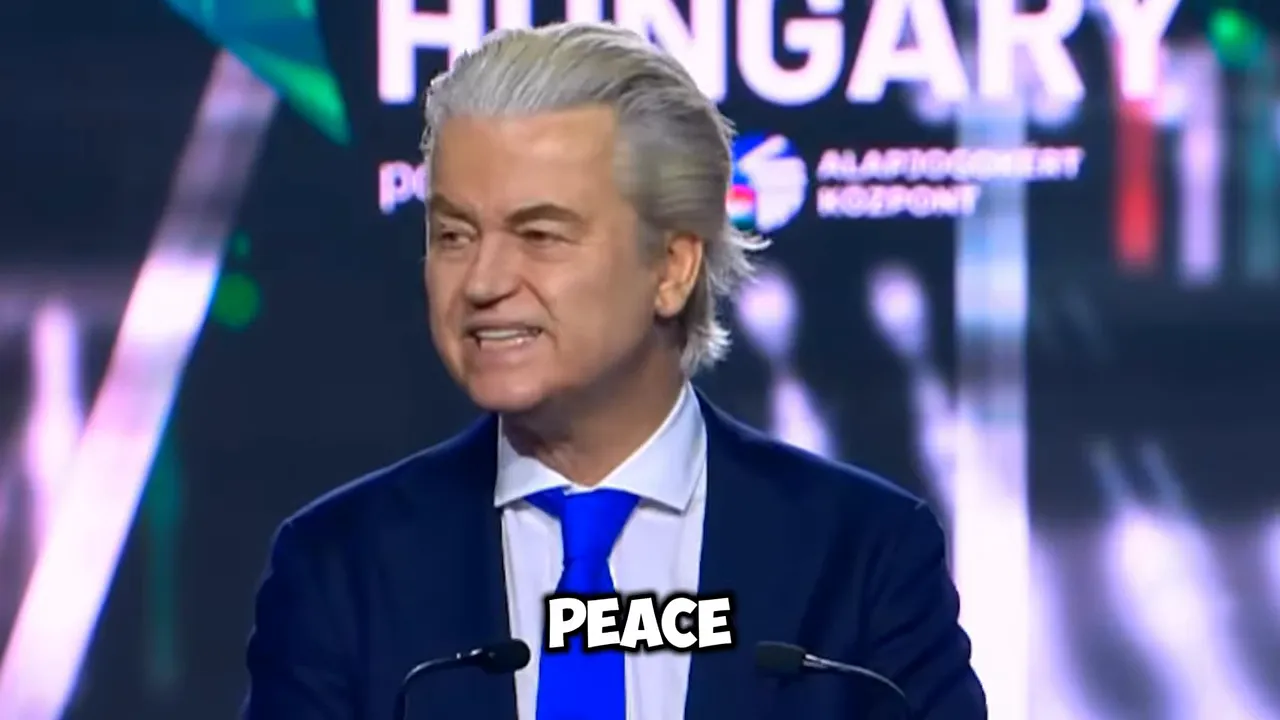
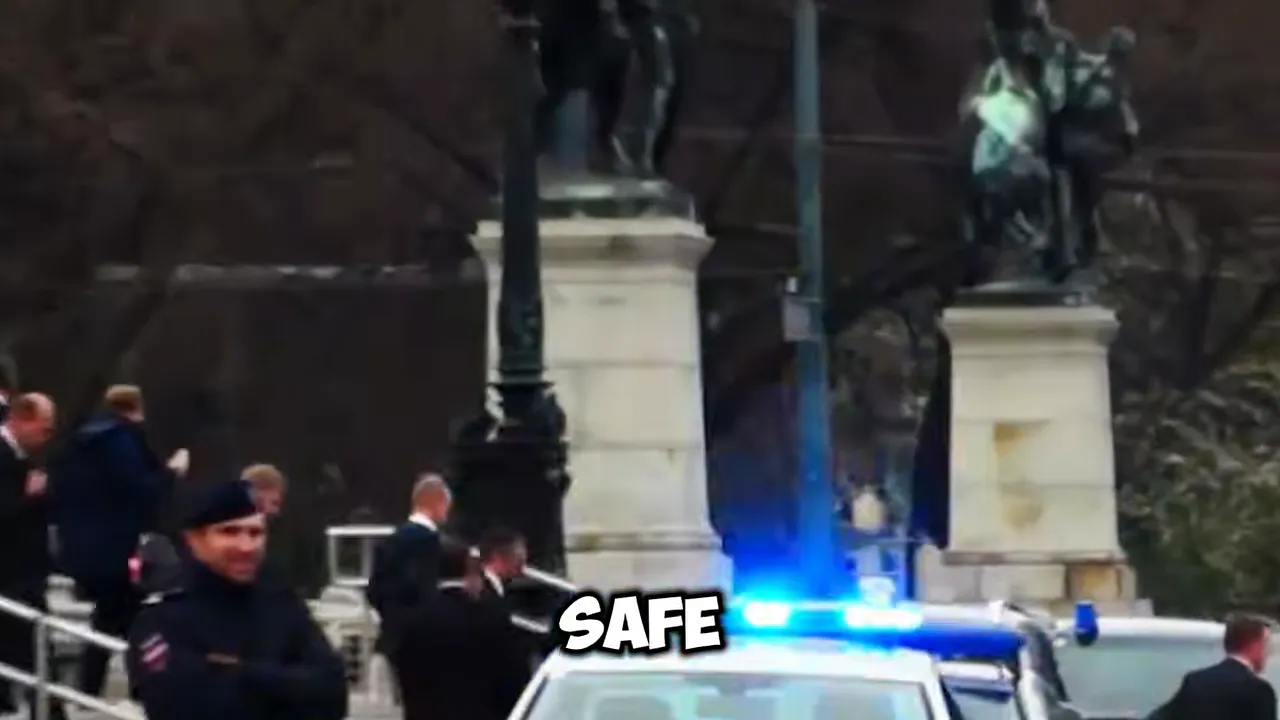
Wilders gives the speech additional force by tying it to his own life. He says he has lived under continuous police protection for more than two decades because of his criticism of Islam. He describes death threats, religious decrees calling for his killing, and the long-term reality of living in secure locations with his wife.
He uses that experience to make two broader points. First, he argues that freedom of speech in Europe is under pressure when criticism of religion leads to years of extraordinary security measures. Second, he suggests that his personal situation demonstrates the danger he believes Europe has underestimated.
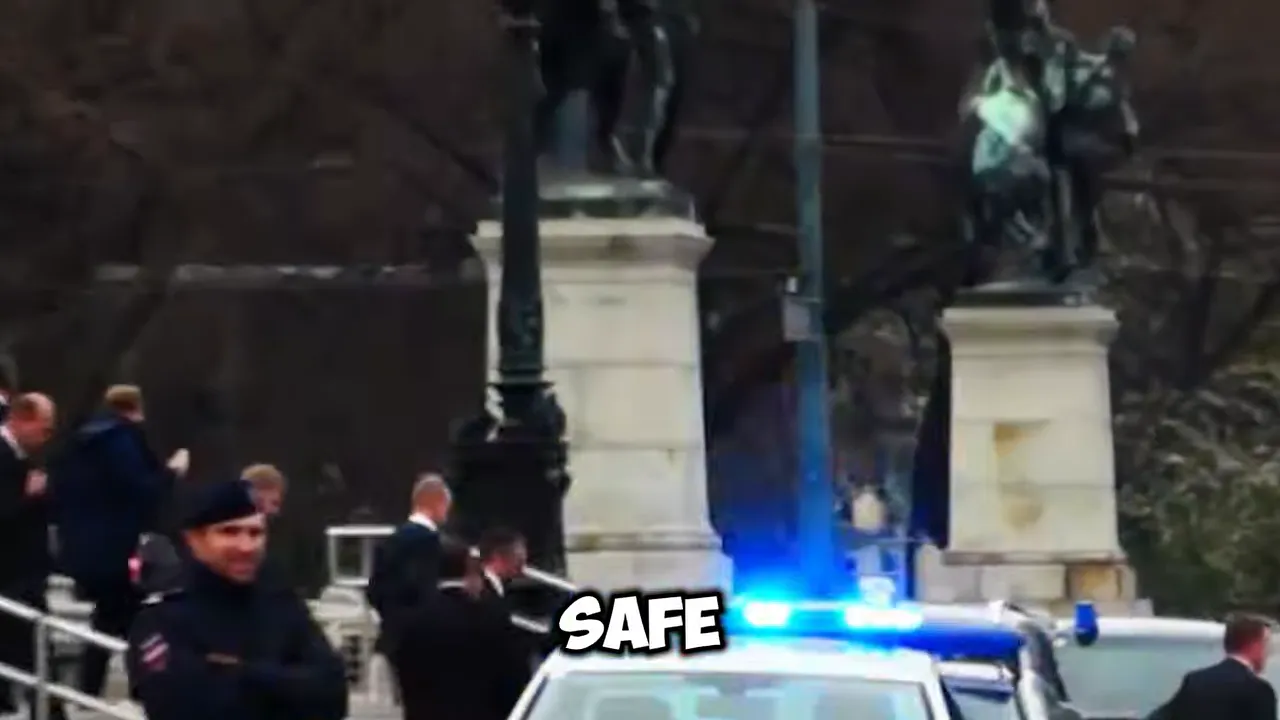
This is one of the most personal sections of the speech, and it supports his larger argument that the debate is no longer theoretical. For him, the cost of speaking openly has already been very real.
That is also why he insists he will not be silenced. He frames persistence itself as a political act, especially when public pressure, media hostility, and security threats are all pushing in the opposite direction.
Make Europe Great Again
Wilders links his European message to the rise of right wing populist politics more broadly. Referring to political momentum in the United States, he asks whether Europe is prepared to produce its own political turnaround.
His answer is yes. He calls for a continental revival rooted in secure borders, national sovereignty, cultural confidence, and a rejection of both illegal immigration and progressive ideology.
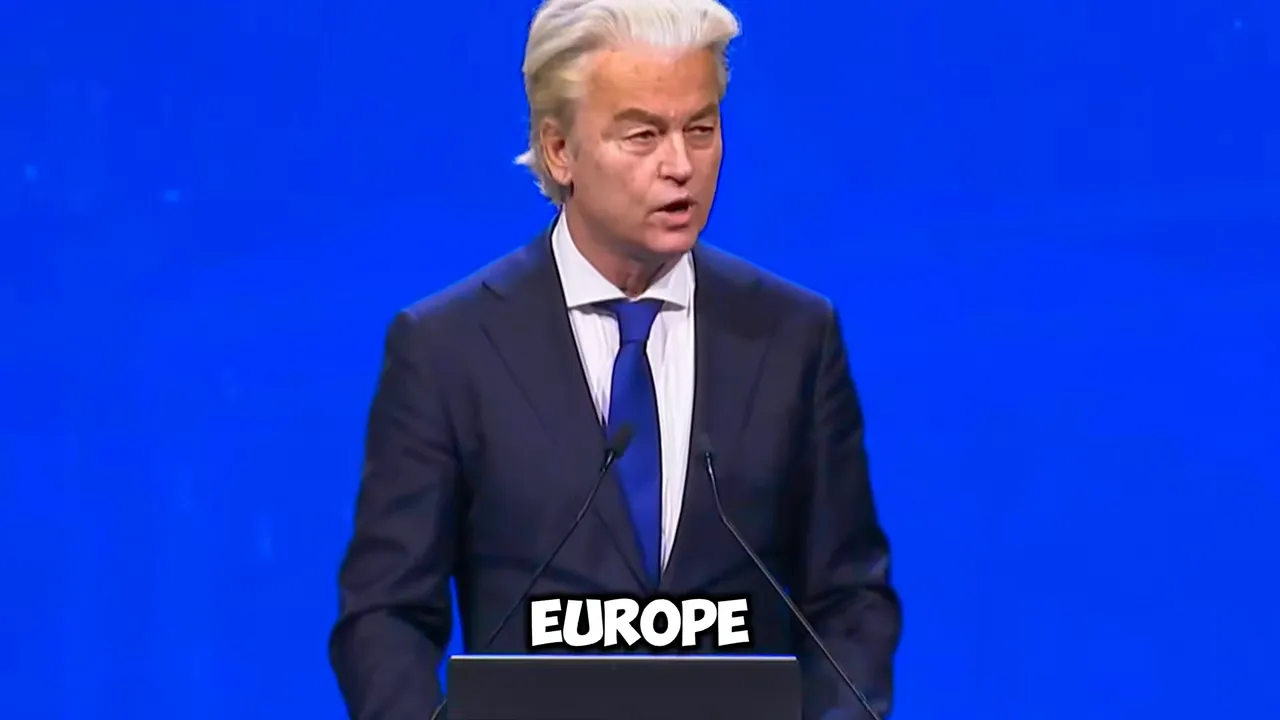
He presents elections as the decisive mechanism. If people have had enough of crime, illegal immigration, Islamic immigration, and what he calls woke insanity, then the answer is not resignation but victory at the ballot box.
That call is directed across Europe. He is not speaking only about one country. He imagines a coordinated political shift in many nations at once, led by parties and movements that define themselves as patriotic and anti-establishment.
What He Says Europe Must Fight For
Wilders repeatedly returns to a short list of things he believes are worth defending: values, families, nations, public sanity, and moral clarity. He says Europe should defend hardworking citizens, protect the elderly and vulnerable, and stop yielding to ideological pressure from the woke left or to guilt-based arguments in favor of multiculturalism.
He argues that political leaders should stop apologizing for wanting social cohesion, safe streets, and continuity with national traditions. In his view, these are normal instincts that have been unfairly stigmatized by media and elite institutions.
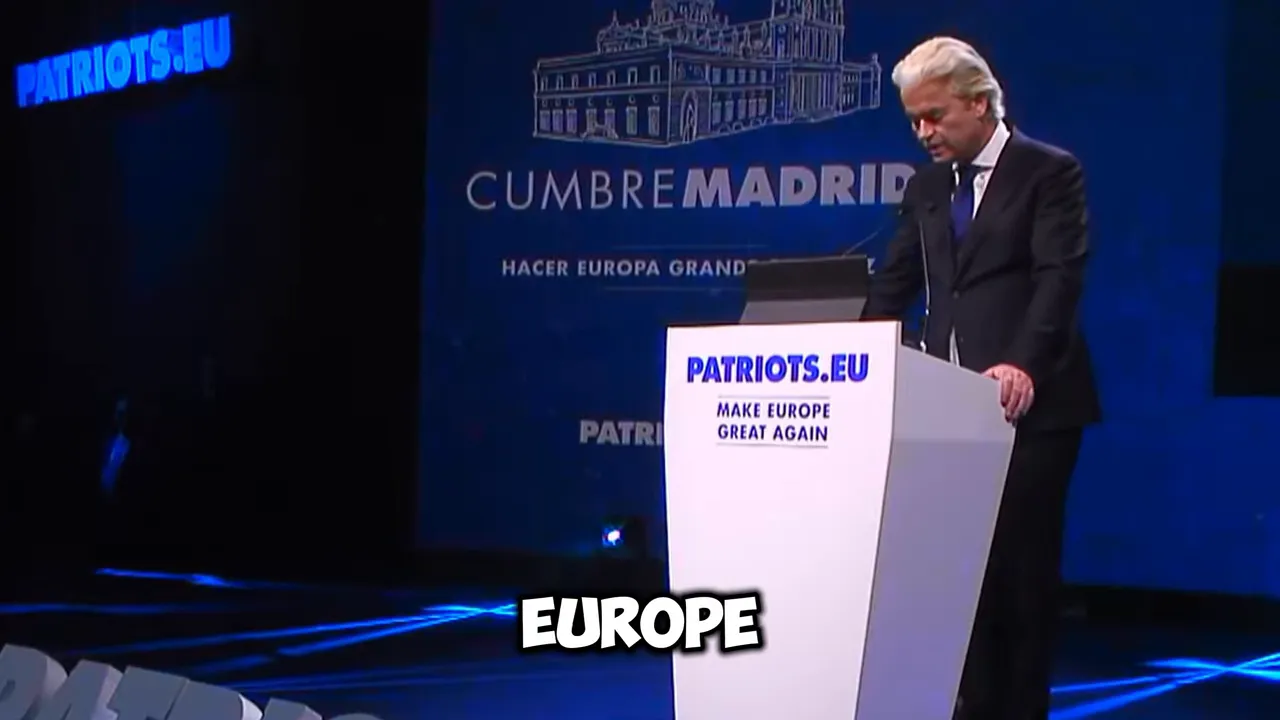
His preferred political direction is straightforward. Europe should choose civilization over surrender, order over chaos, and self-government over bureaucratic centralization.
He also predicts that if this political energy continues to build, long-standing governing systems will fall. The old regimes, as he calls them, are vulnerable because too many citizens no longer trust them to defend their interests or speak plainly about what is changing.
A Message to Supporters Under Pressure
Near the end of the speech, Wilders turns to those who share his convictions and acknowledges the social cost that can come with taking these positions. He says many have been harassed, intimidated, and mocked for their beliefs, and that even their families have felt the consequences.
That recognition matters because he casts political support not as a casual preference, but as perseverance under pressure. Those who continue to vote, organize, and speak out despite public hostility are, in his framing, carrying the movement forward.
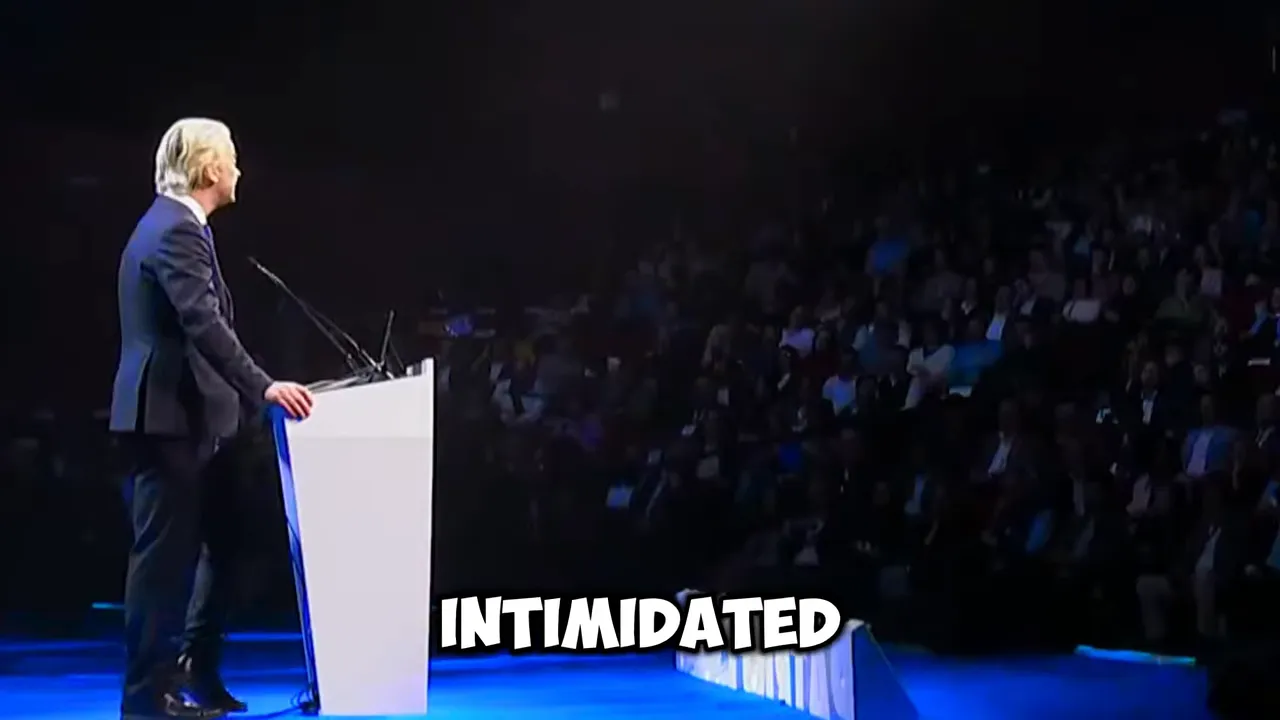
He praises resilience above all. The point is not simply to complain about the direction of Europe, but to stay engaged long enough to change it.
That final stretch of the speech is less about diagnosis and more about discipline. Stay strong, remain alert, and do not retreat.
His Closing Vision for Europe
Wilders ends with a clear nationalist message. Spain should remain Spain. Holland should remain Holland. European countries, he argues, must remain sovereign nations rather than dissolve into a federal superstate, and they must resist becoming societies shaped by Islamic political or legal norms.
His final idea is alliance without surrender. He calls for European patriots to work together across borders while preserving the distinct identity of each nation. In that formula, cooperation is acceptable, but only if sovereignty remains intact.
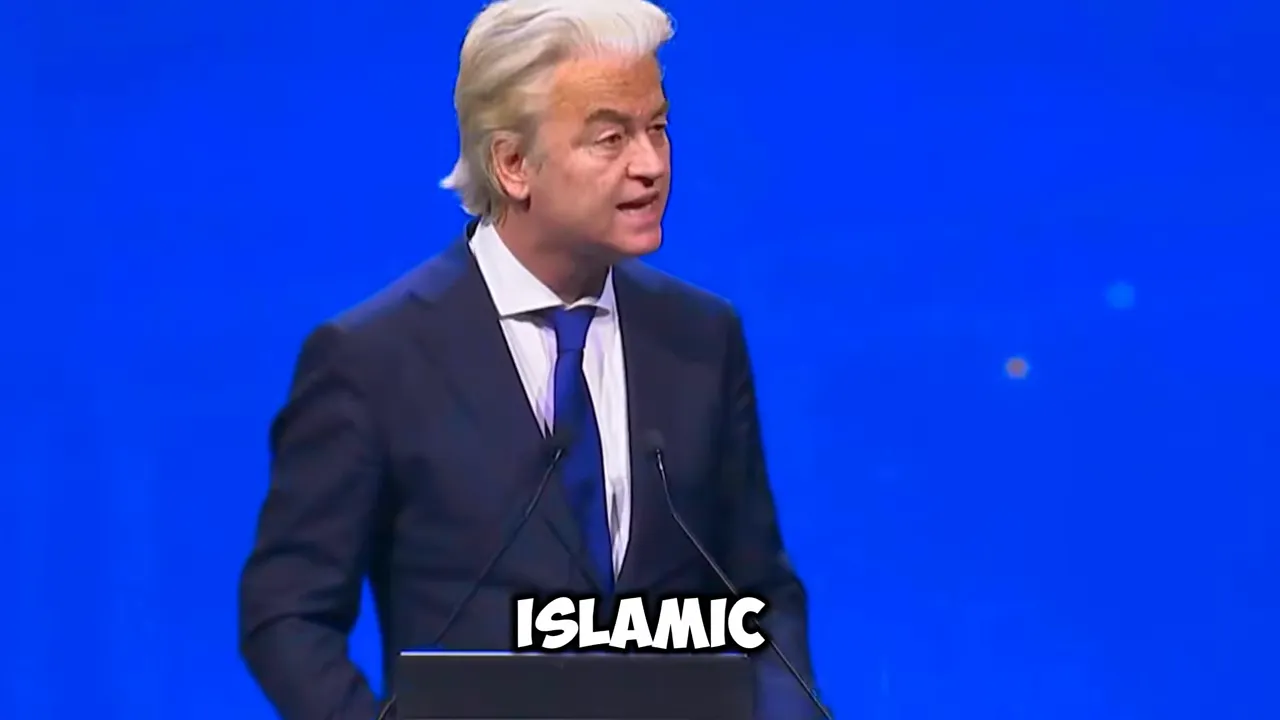
The speech leaves little room for ambiguity. Wilders sees Europe at a decisive moment, with immigration, identity, democracy, and free speech all bound together in a larger struggle over what the continent will become.
Whether one agrees with his assessment or rejects it, the speech is unmistakably built around a single claim: Europe is changing fast, the consequences are profound, and the window to reverse course is closing.


Leave a Comment