
Geert Wilders & Afroditi Latinopoulou: Europe Is Not for Sale
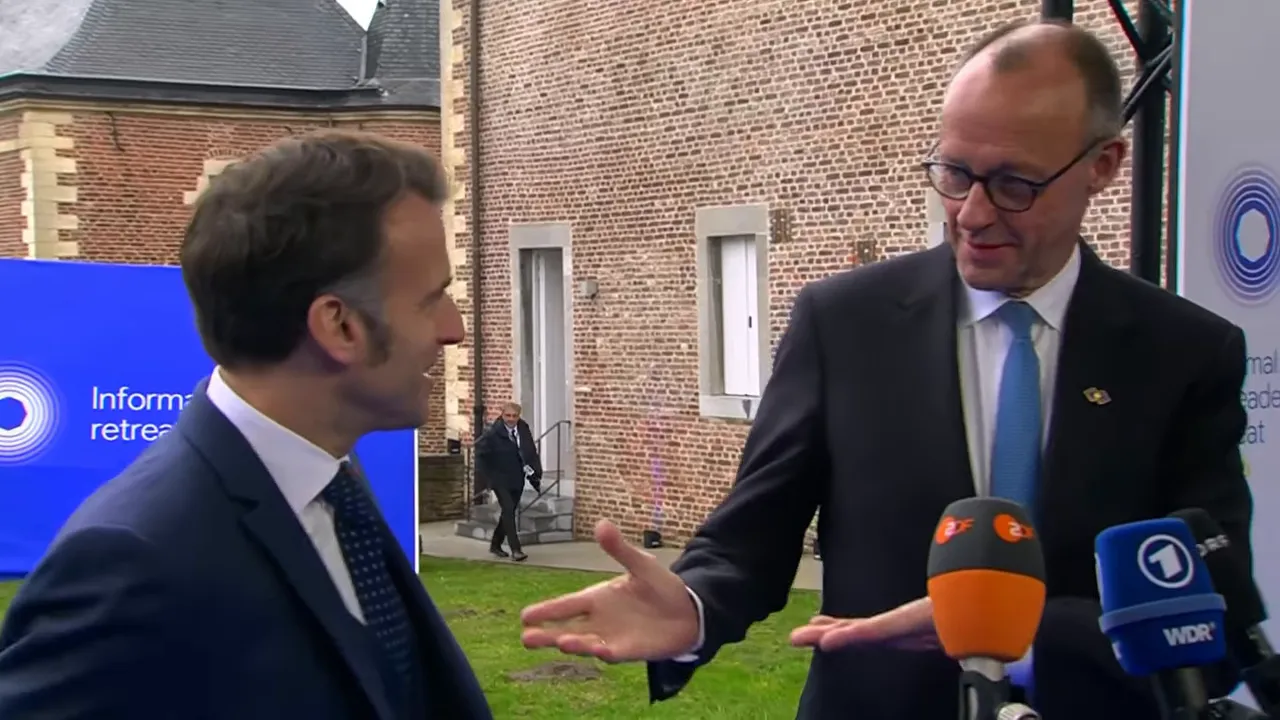
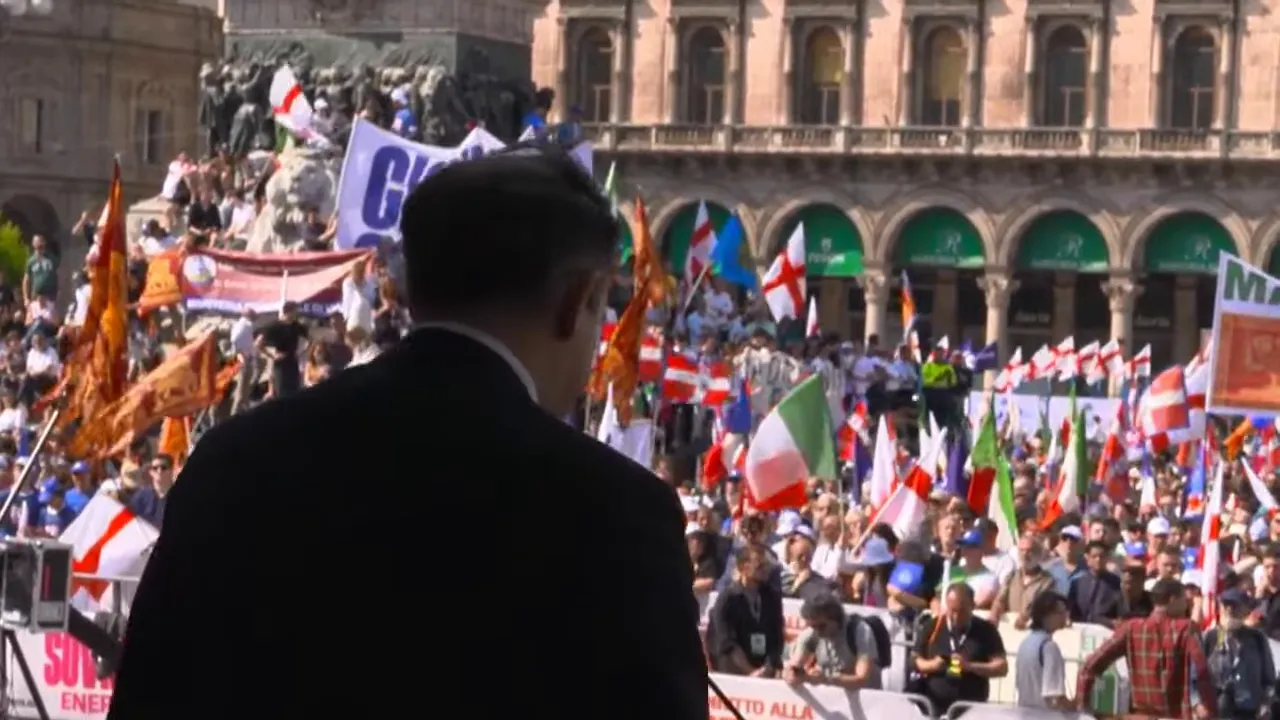
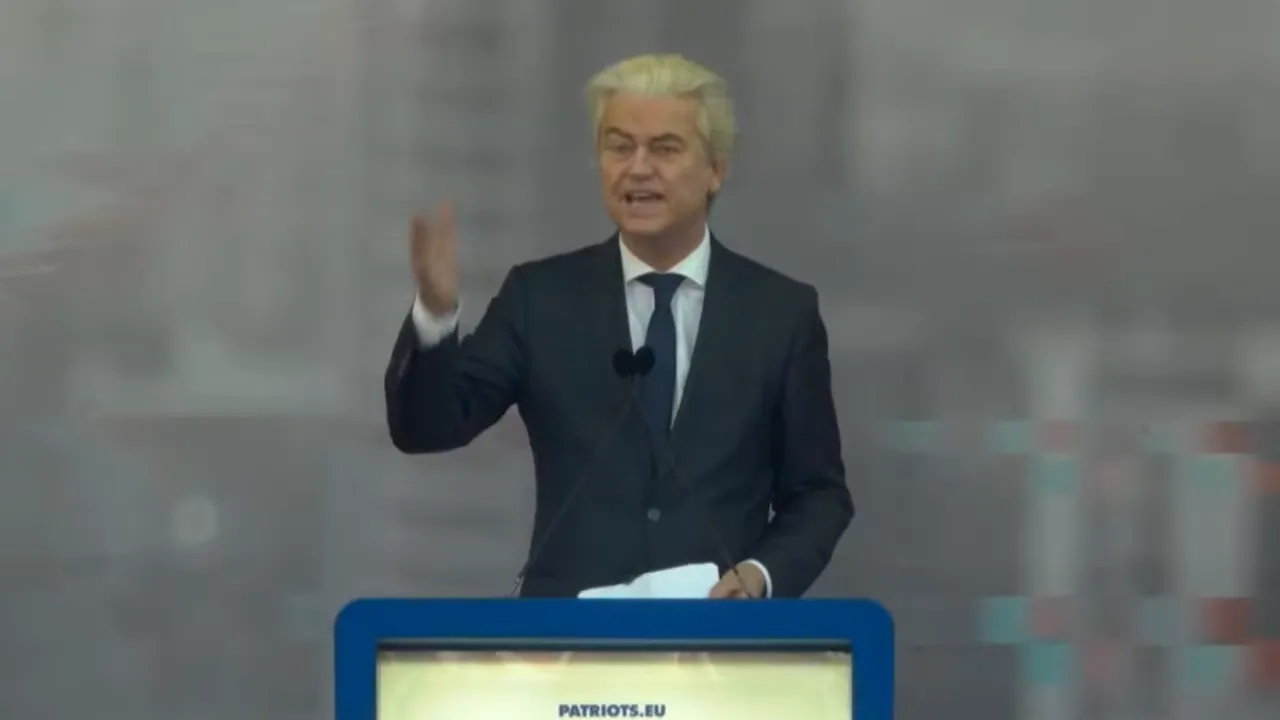
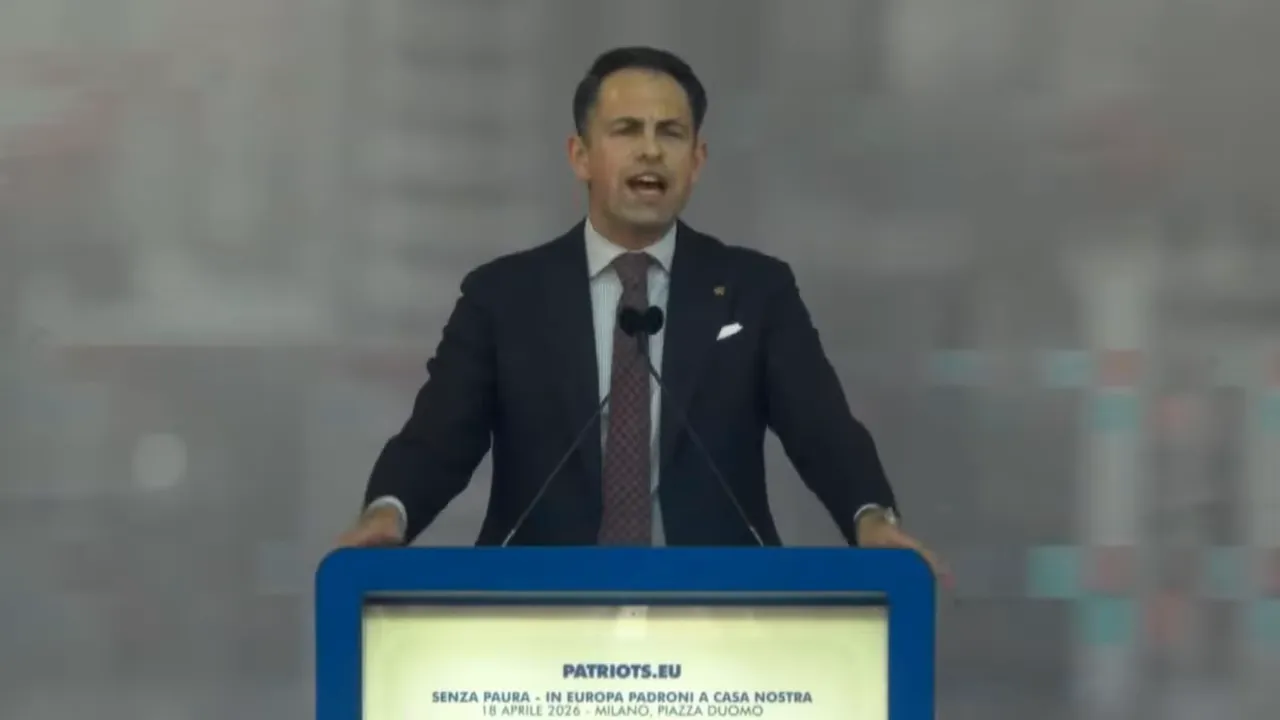
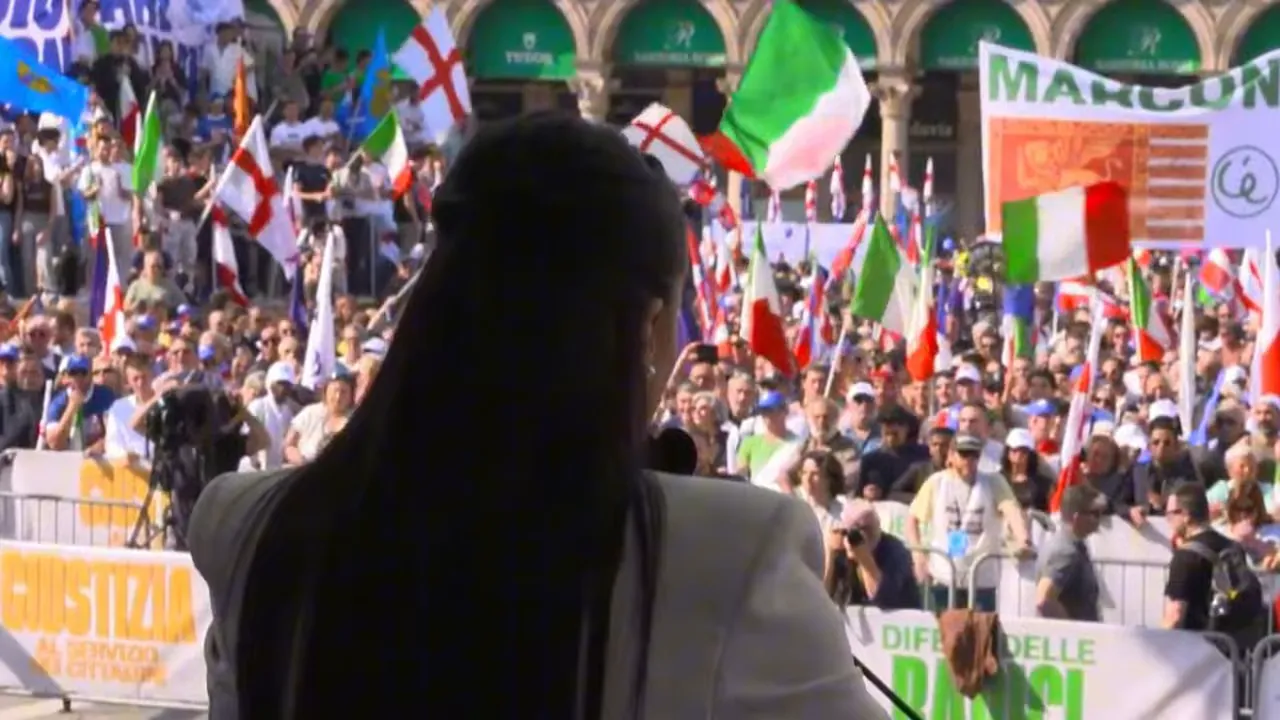
A new bloc of European nationalist and conservative voices is making a stark argument about the continent’s future. In speeches gathered from figures including Geert Wilders, Afroditi Latinopoulou, Tom Van Grieken, and Martin Helme, the message is blunt: Europe is facing a civilizational struggle over borders, identity, religion, family, and political sovereignty.
The central claim running through these remarks is that mass immigration, especially illegal immigration from Muslim-majority countries, combined with what the speakers describe as radical multiculturalism and elite political conformity, has pushed Europe toward a breaking point. Their position is not framed as a policy disagreement alone, but as a fight over whether Europe remains recognizably European.
A Politics of Cultural Survival
One of the strongest themes is the belief that Europeans are being pressured to surrender their historical identity while being shamed for defending it. The speakers return again and again to the same set of symbols: the national flag, the Christian cross, the traditional family, and national borders.
In this telling, support for any of these has increasingly been treated by political opponents as evidence of extremism. Loving one’s country, affirming Christianity, or defending the idea of a mother, father, and children as the family ideal are all presented as positions that now trigger accusations of fascism, intolerance, or hate. The response from these politicians is direct: they reject those labels entirely and insist that the terms have been weaponized to silence dissent.
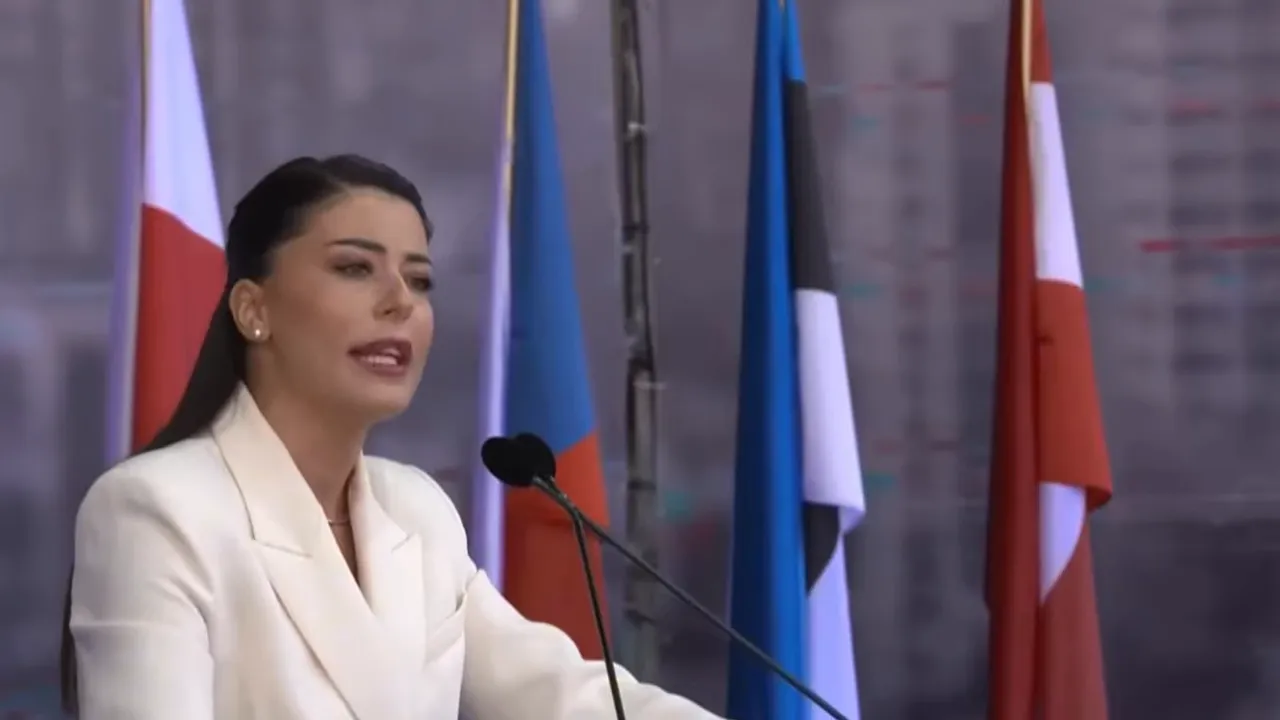
Martin Helme condenses that argument into a formula that appears repeatedly throughout the broader message: nation, religion, family. Rather than accepting these as dangerous concepts, the speakers present them as the moral foundations of European public life.
That rhetorical shift matters. Instead of defending themselves within the language of their critics, they are trying to reverse the frame. They argue that those dismantling borders, blurring national identity, and undermining inherited norms are the actual radicals. In their words, the old narrative has expired.
Mass Immigration as the Defining Crisis
The most urgent issue in these speeches is immigration. Not immigration in the abstract, but what the speakers describe as a large-scale demographic transformation driven by illegal entry, asylum abuse, and political refusal to enforce borders.
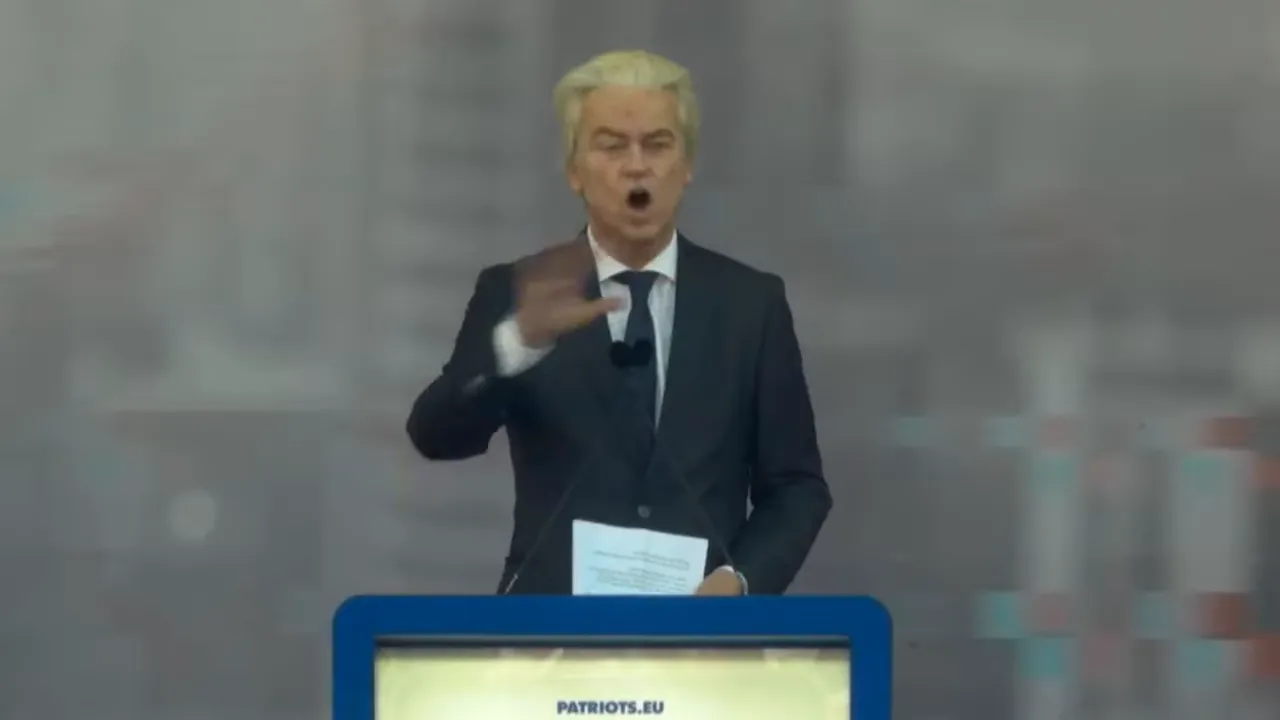
Geert Wilders describes Europe as having been struck by a “tsunami” of mass immigration, much of it from Islamic countries. Afroditi Latinopoulou speaks in similarly apocalyptic terms, arguing that the warnings dismissed in the past have now become reality. In this worldview, immigration is not simply straining public systems. It is changing the character of entire nations.
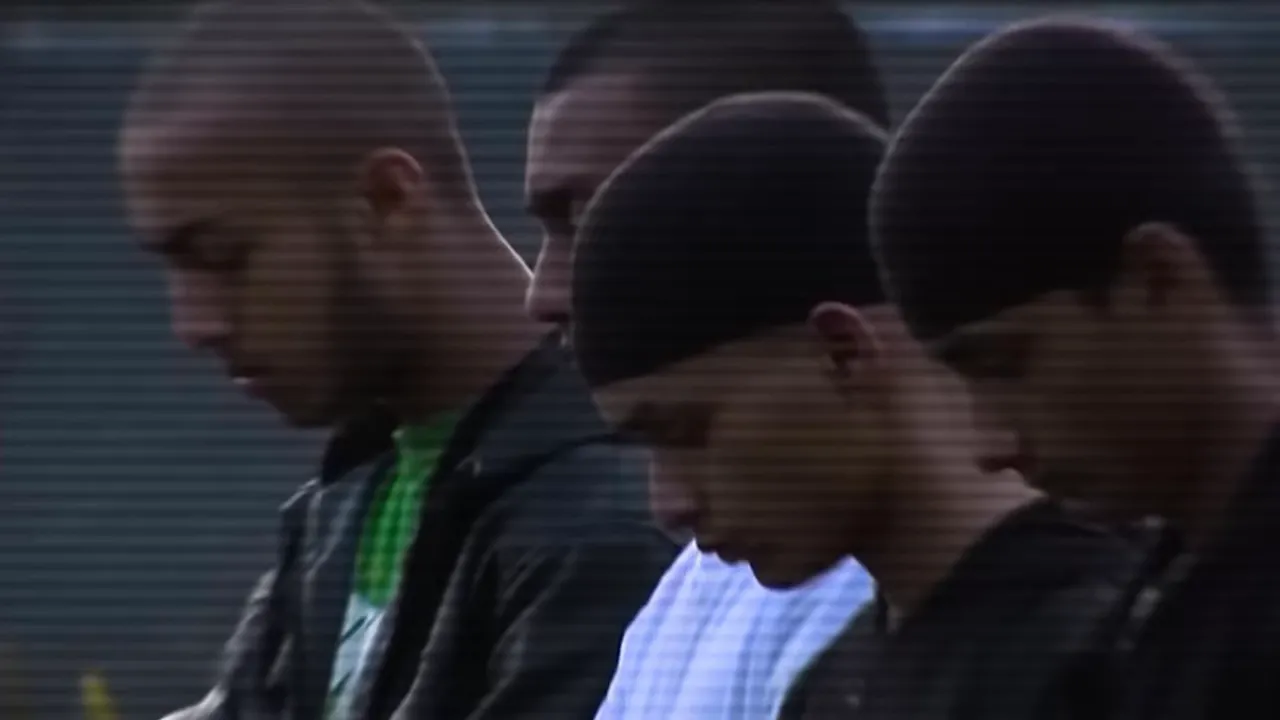
The speakers point to asylum centers spreading across European countries and argue that ordinary citizens are paying the price. Several link immigration directly to sexual violence, crime, harassment, and insecurity in urban neighborhoods. Their language is sweeping and severe. They portray women, children, and native communities as the principal victims of policies imposed from above.
From there, the policy demands become even sharper. The proposed response includes:
-
Closed borders against illegal immigration
-
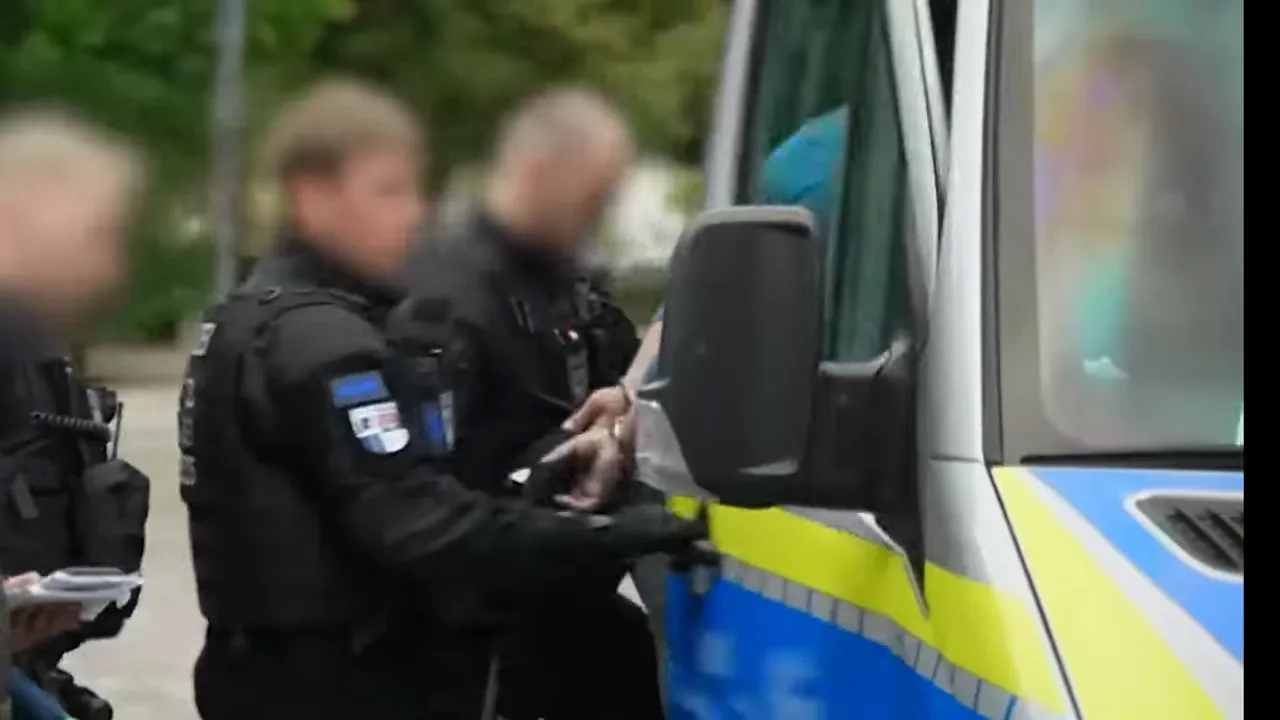
Deportations of criminal migrants and those who reject national law
-
More prisons and stricter policing
-
Expulsion of those seeking to impose Sharia norms
-
Tighter state control over asylum and migration systems
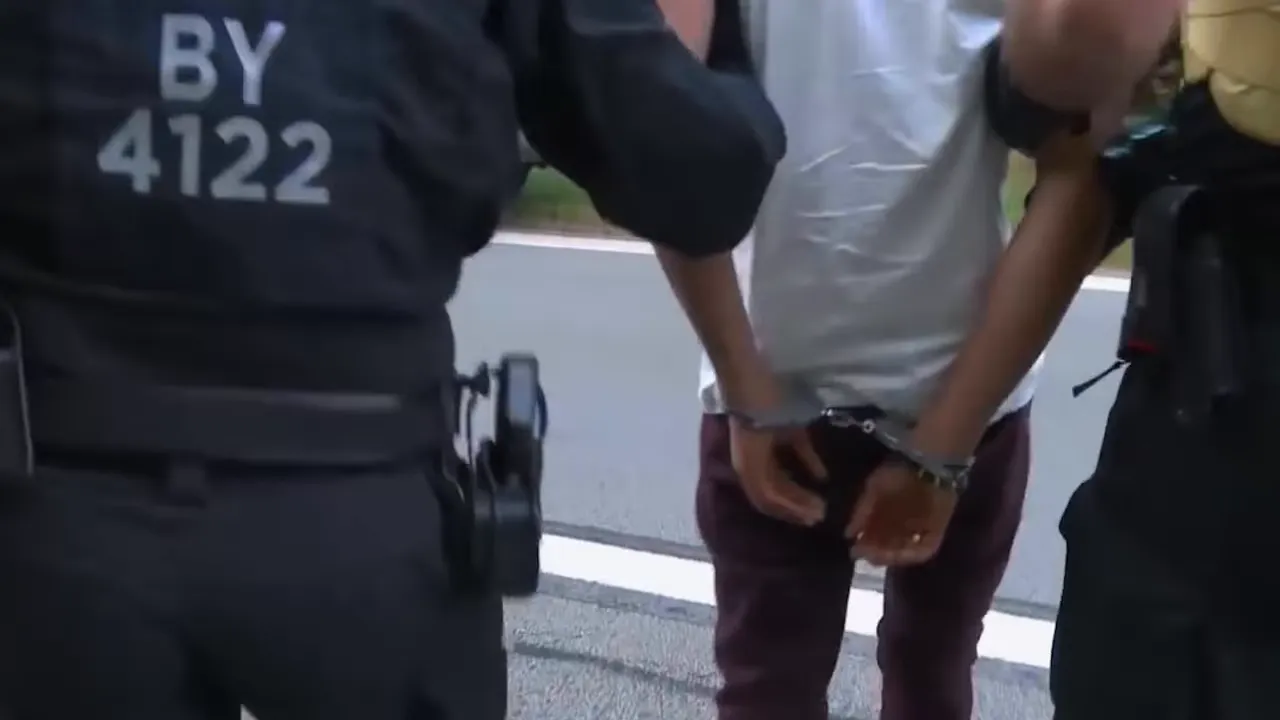
Latinopoulou goes further by calling for the reconsideration of the death penalty for child rapists and perpetrators of especially heinous crimes. That demand is presented as part of a wider law-and-order agenda rooted in deterrence and punishment rather than rehabilitation rhetoric.
Wilders, meanwhile, anchors the issue in a civilizational contrast. Europe’s roots, he argues, are in Rome, Athens, and Jerusalem, not Mecca. That phrase captures the broader political line running through the speeches: Europe’s legal and moral inheritance is fundamentally Christian and classical, and cannot be reconciled with imported Islamist norms.
Rejecting Multiculturalism and “Woke” Ideology
If immigration is presented as the material threat, multiculturalism is described as the ideology that made it possible. The speakers do not treat multiculturalism as a benign effort to manage diversity. They portray it as a doctrine of surrender, one that asks Europeans to tolerate intolerance, excuse violence, and lose confidence in their own civilization.
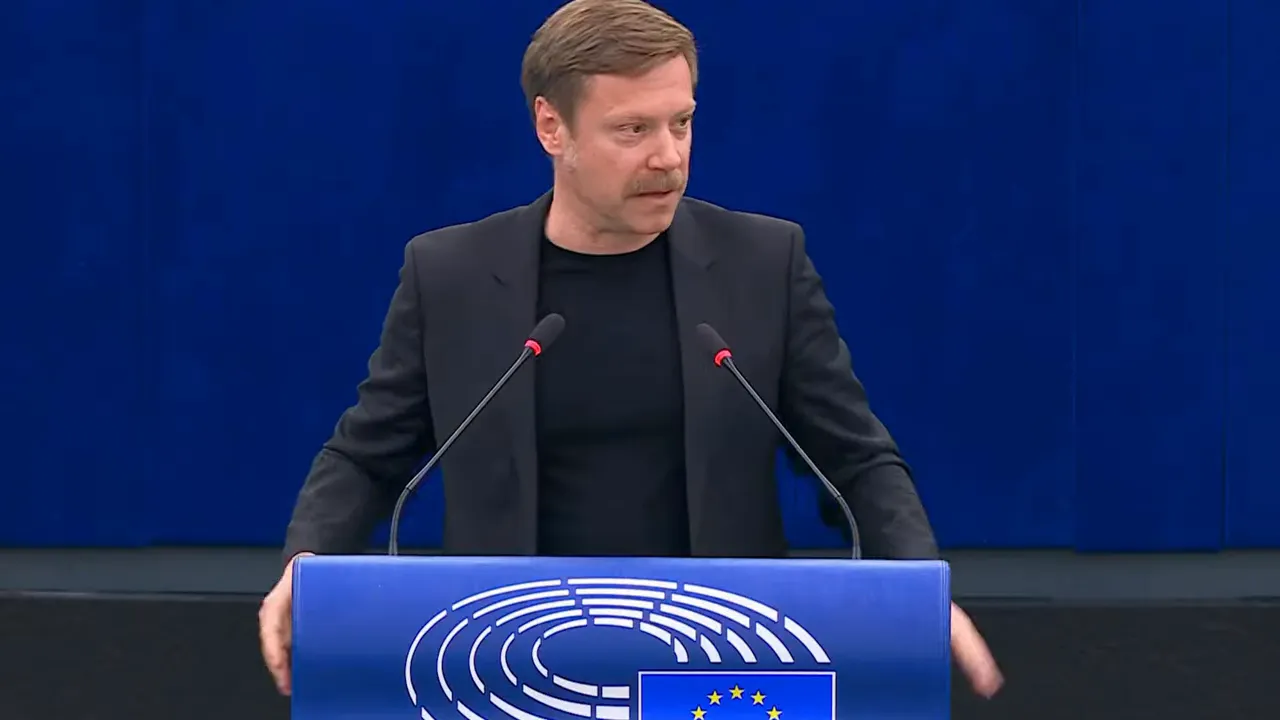
Tom Van Grieken and Martin Helme both frame this as an elite project. In their speeches, the main antagonists are “globalists,” bureaucrats, media institutions, left-wing parties, and cultural gatekeepers who are accused of opening borders, policing speech, and shaming national majorities into silence.
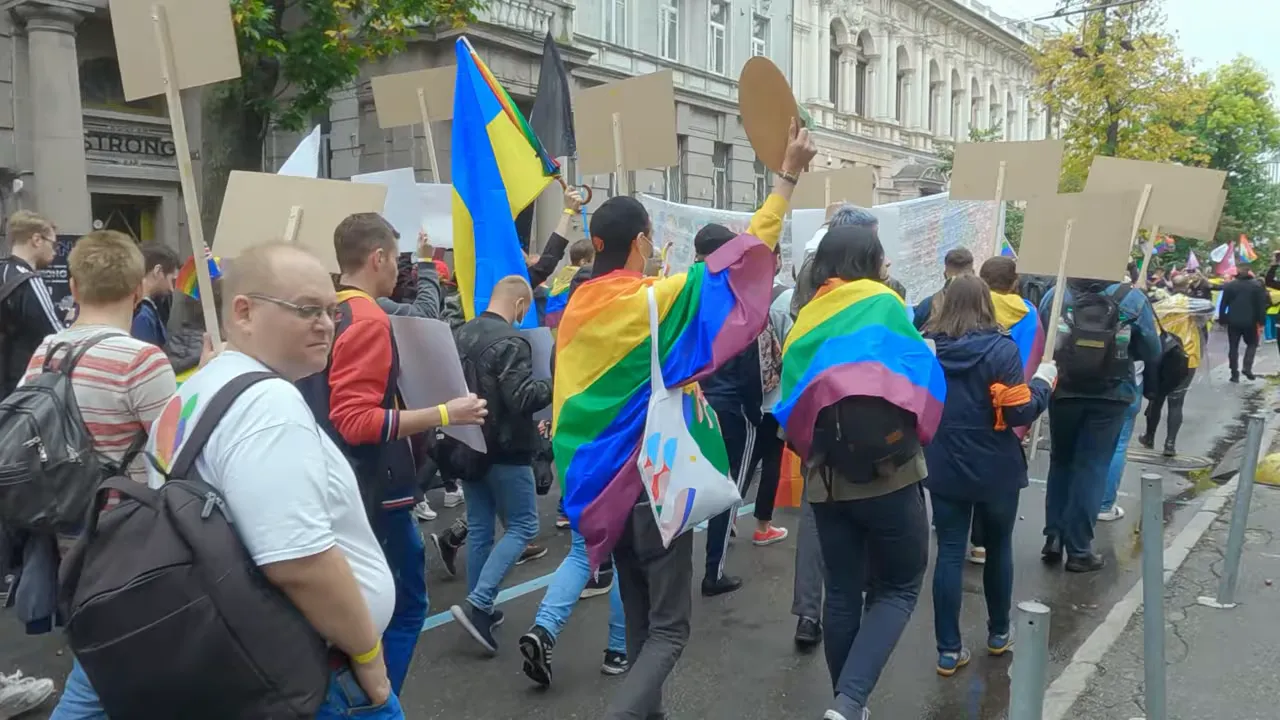
That accusation expands beyond migration. The speeches also target what they call woke ideology, especially in universities and public institutions. Palestinian flag demonstrations on campuses, activist politics, and cultural campaigns around identity are portrayed not as isolated disputes, but as signs of a broader revolt against Europe’s own traditions.
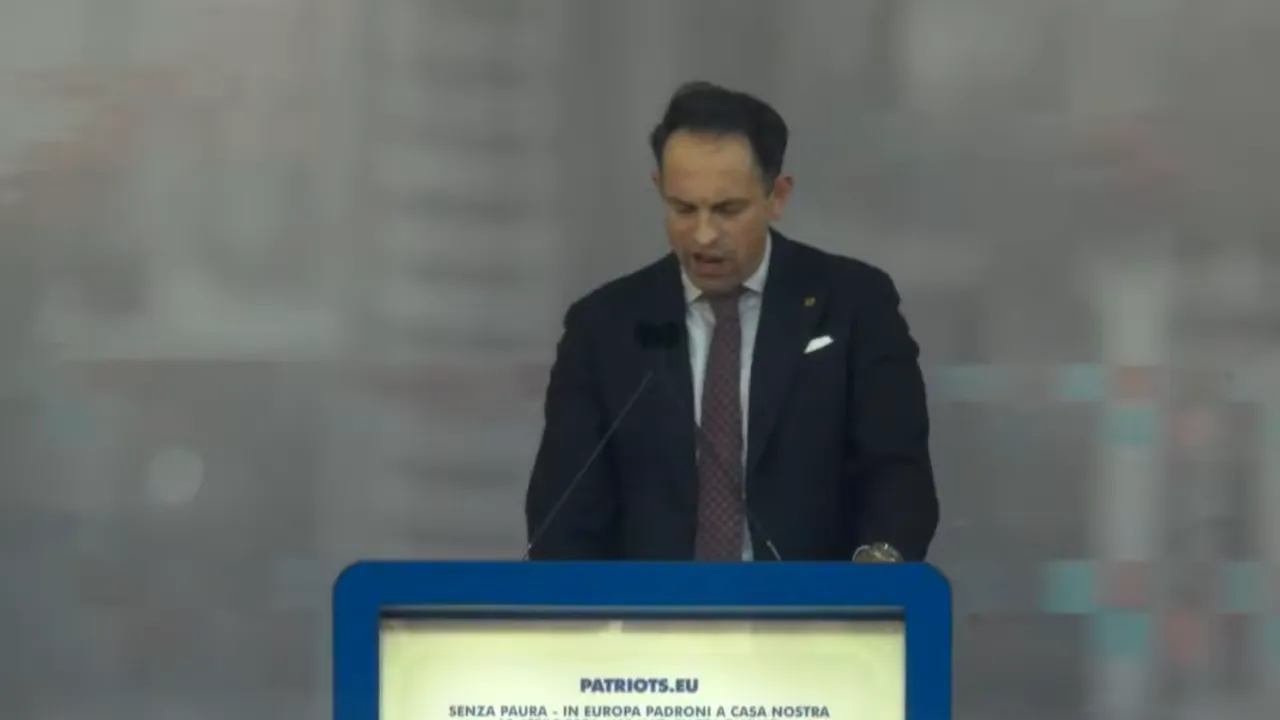
One recurring complaint is that the same people who demand endless solidarity from the public do not bear any personal cost. Latinopoulou voices this in practical terms: if activists want nongovernmental organizations for illegal migrants, let them pay for them. If they support large-scale migrant intake, let them house migrants themselves. If they admire the veil, hijab, or Sharia, then they should go live under those systems rather than importing them into Europe.
The Battle Over Labels and Legitimacy
A major part of the political strategy on display is psychological as much as ideological. These leaders are not only arguing policy. They are trying to persuade supporters to stop accepting the moral vocabulary imposed on them by opponents.
Again and again, the speeches return to the same challenge: how long will people tolerate being called fascists for ordinary patriotic, religious, or family-centered beliefs? The speakers say the answer now is simple. No longer.
Instead of accepting stigmatizing labels, they choose their own. “We are patriots.” “We are normals.” Those phrases are important because they recast their politics as the defense of everyday social reality rather than a fringe rebellion. The point is to normalize their position and depict the current establishment as the true extremists.
This is paired with a language of moral confidence. Several speeches insist, in explicit terms, that they are “the good guys.” Not misunderstood, not controversial, not reluctantly defensive, but morally right. That confidence is meant to break what they see as years of intimidation through media narratives, political censure, and elite contempt.
Christian Heritage and Civilizational Identity
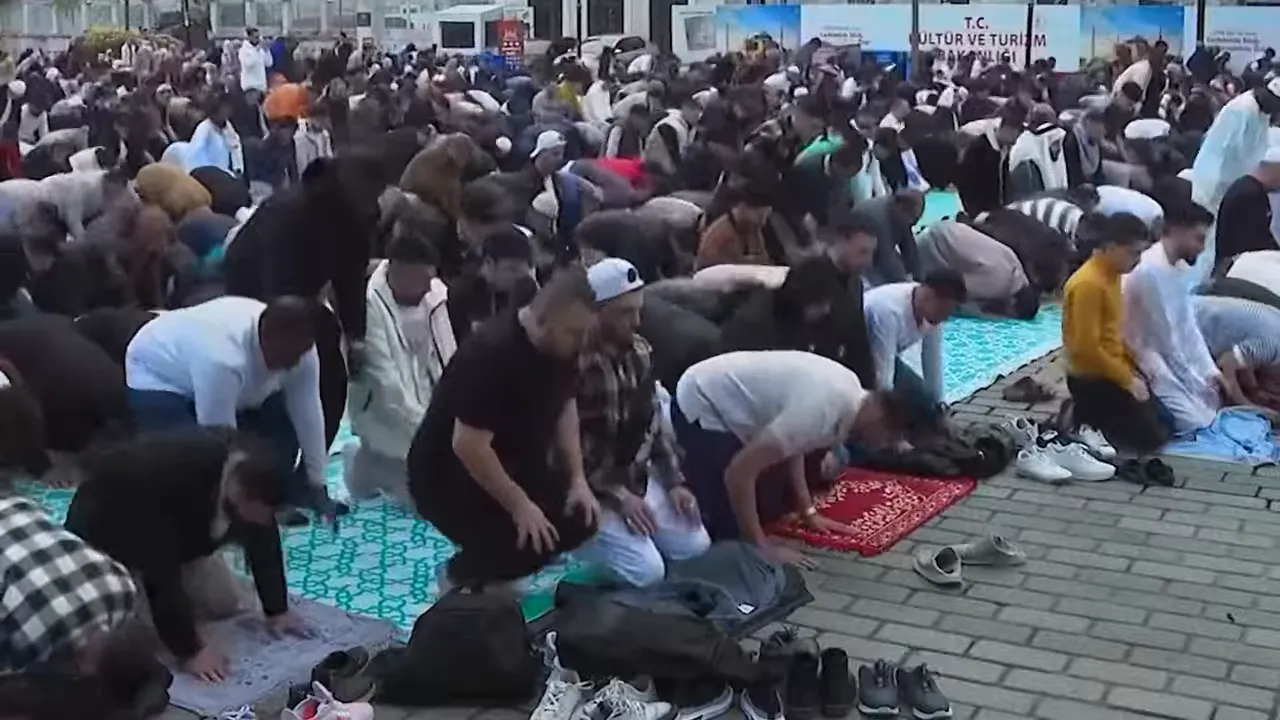
The religious dimension is central. Christianity is not treated merely as a private faith but as one of the pillars of European identity. To make the sign of the cross, to publicly identify as Christian, or to defend Christian heritage is presented as an act that increasingly invites hostility from secular and progressive institutions.
Against that, the speakers insist that Europe remains a Christian civilization at its core. They reject the idea that Christian values should be displaced by Islamic norms or secular bureaucratic abstractions. Latinopoulou states this directly: Europe’s Christian values will not be replaced by Islam, and Islamism does not belong in European public life.
This religious argument is inseparable from the civilizational one. Tom Van Grieken describes Europeans as heirs to one of the greatest civilizations in history. That language is not nostalgic ornament. It is a political claim that inheritance creates responsibility. If current leaders are unwilling to defend that inheritance, then new leaders must replace them.
For these politicians, the issue is not pluralism in the abstract. It is whether Europe should remain anchored in its own civilizational story or become something post-national, post-Christian, and administratively managed by distant institutions.
Family, Demographics, and the Future of Europe
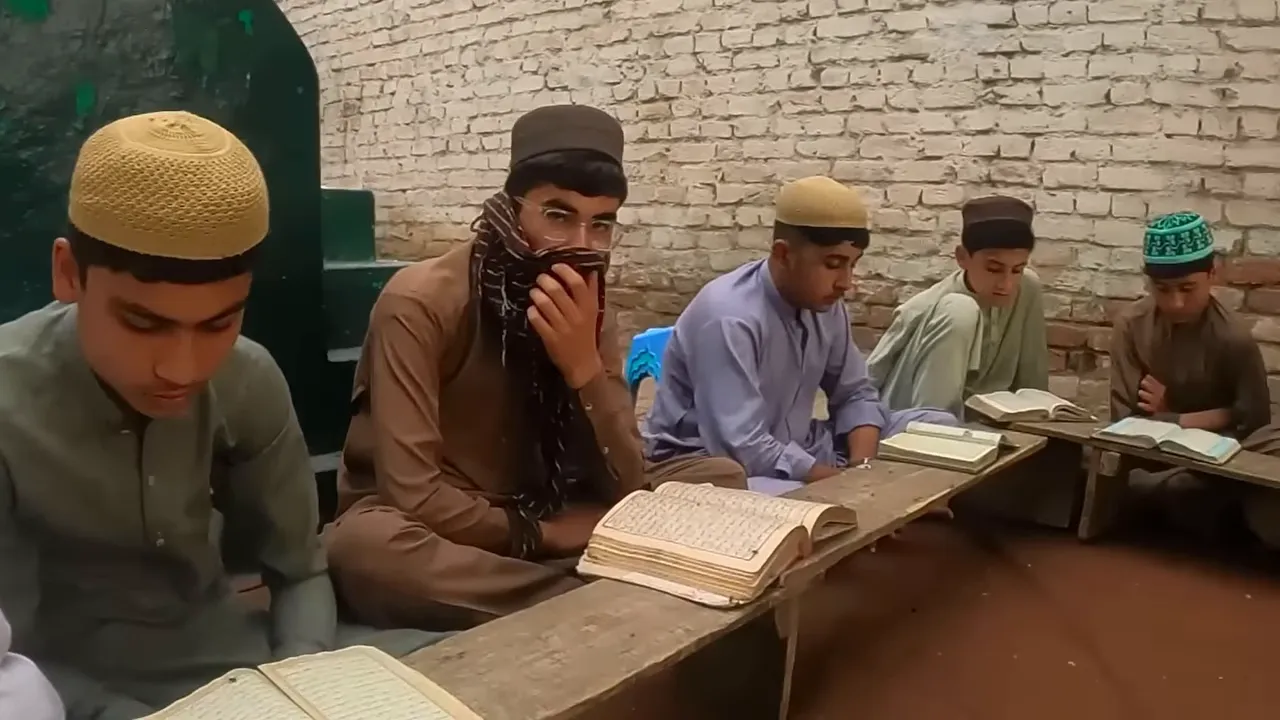
The speeches also connect immigration to demographic decline. Rather than accepting labor importation or asylum expansion as the answer to Europe’s population problems, these figures argue that governments should invest in native families.
Latinopoulou makes this point in financial terms. She argues that billions of euros have been spent on the so-called integration of illegal migrants, money that should instead go to young European couples, new mothers, single-parent households, and families more broadly. The goal, as she presents it, is real demographic support at home rather than replacing decline through migration.
This is where the immigration debate and the family-values debate merge. The same governments accused of neglecting traditional family life are also accused of subsidizing demographic change through migration policy. In that framework, supporting birth rates, strengthening families, and restricting immigration become part of the same political project.
The next generation is a recurring point of urgency. Latinopoulou says they will not surrender “a single young person, not a single child born today” to what she calls cultural madness. That line captures the emotional logic of the whole message: if the struggle is for children, neighborhoods, inheritance, and continuity, then compromise begins to look like abandonment.
Against Bureaucrats, Media Power, and Political Fear
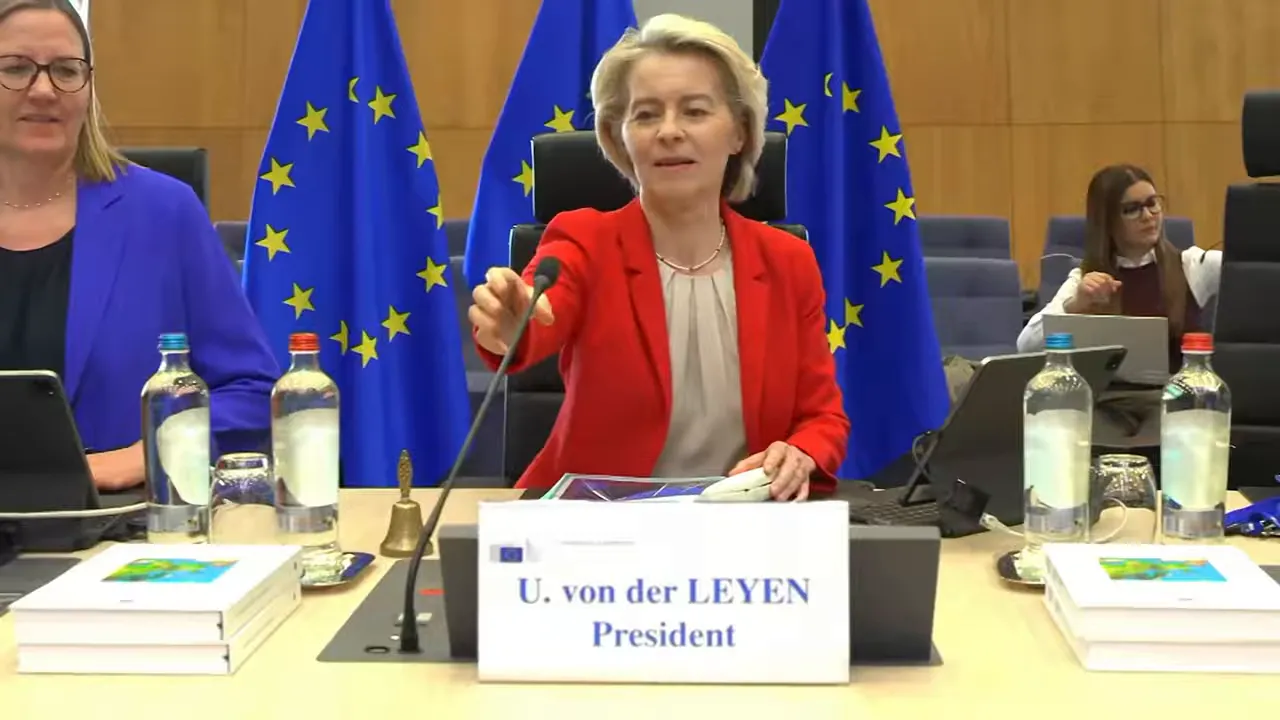
Another common thread is hostility toward unelected authority. Brussels bureaucrats, political elites, and media organizations are all presented as institutions that make decisions over the heads of ordinary Europeans while suppressing those who object.
The complaint is not only that these institutions support immigration or multiculturalism. It is that they are insulated from democratic accountability and aggressively hostile to open dissent. Politicians, in this telling, are often too afraid to speak plainly. Media organizations silence disagreement. And citizens who speak openly risk professional ruin, public vilification, or worse.
This anti-establishment posture helps explain the appeal to “patriots of Europe” as a shared movement rather than a set of separate national campaigns. While the speeches are rooted in national sovereignty, they also imagine a transnational alliance of parties and leaders who see themselves as resisting the same ideological and administrative order.
Wilders refers to “United Patriots of Europe” as the force that can deliver security, border control, and sanity to ordinary people. It is a coalition built not around a borderless Europe, but around like-minded nations coordinating to defend their own borders and identities.
What This Political Vision Actually Demands
Stripped to its essentials, the political program advanced across these speeches includes several core demands:
-
National sovereignty over migration policy
-
Immediate and forceful action against illegal immigration
-
Deportation of foreign criminals and extremists
-
Public defense of Christianity and traditional family values
-
Resistance to multiculturalism and woke cultural politics
-
Redirecting state resources toward European families and birth rates
-
Rejection of elite shaming tactics and media gatekeeping
-
A pan-European alliance of nationalist and conservative movements
What gives these demands force is the way they are framed. This is not presented as ordinary policy reform. It is presented as recovery after denial, as a refusal to remain quiet while national identity, public safety, and inherited culture are, in their view, dismantled.
A Europe That Refuses to Apologize
The ending note across all four political voices is one of defiance. They insist they will not be ashamed of where they come from, will not apologize for what they believe, and will not let the left define what can or cannot be said. Their answer to elite certainty is a promise that what supposedly cannot be done will, in fact, be done.
That closing sentiment is politically revealing. It suggests that the movement these leaders are trying to build depends as much on recovered confidence as on any specific law. The call is for Europeans to think of themselves not as defendants in a cultural trial, but as the rightful heirs of their nations and civilization.
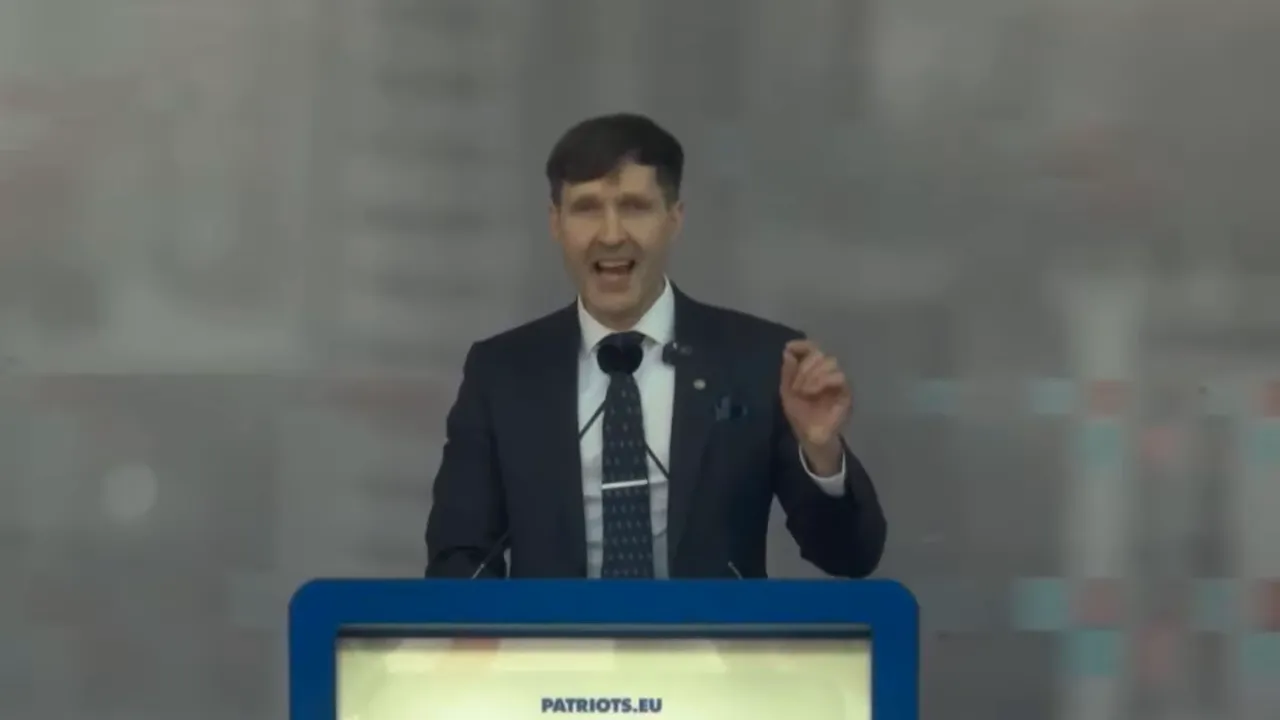
Whether one sees this agenda as a necessary correction or a deeply divisive turn, its significance is hard to dismiss. The speeches reflect a growing current in European politics that ties together border security, national identity, religious heritage, demographic anxiety, and opposition to progressive cultural norms into one coherent message.
That message can be summarized in a single line: Europe is not for sale, not for replacement, and not for surrender. The politicians delivering it are betting that, across the continent, more and more people are ready to agree.


Leave a Comment