
“Do You Want Sharia Law in Europe?” A Blunt Political Challenge Over Europe’s Identity
Polish MEP Dominik Tarczyński frames the debate over migration, religion, and European identity in the starkest possible terms. His argument is not cautious or academic. It is direct: if political leaders want Europe, or even America, to become culturally and legally shaped by Islam, they should say so openly and accept the consequences that come with that choice.
At the center of his remarks is a challenge to what he sees as political evasiveness. Rather than speaking in abstract language about multiculturalism or integration, he pushes the question to its endpoint: what kind of continent is Europe supposed to be, and what legal and civilizational framework is meant to define it?
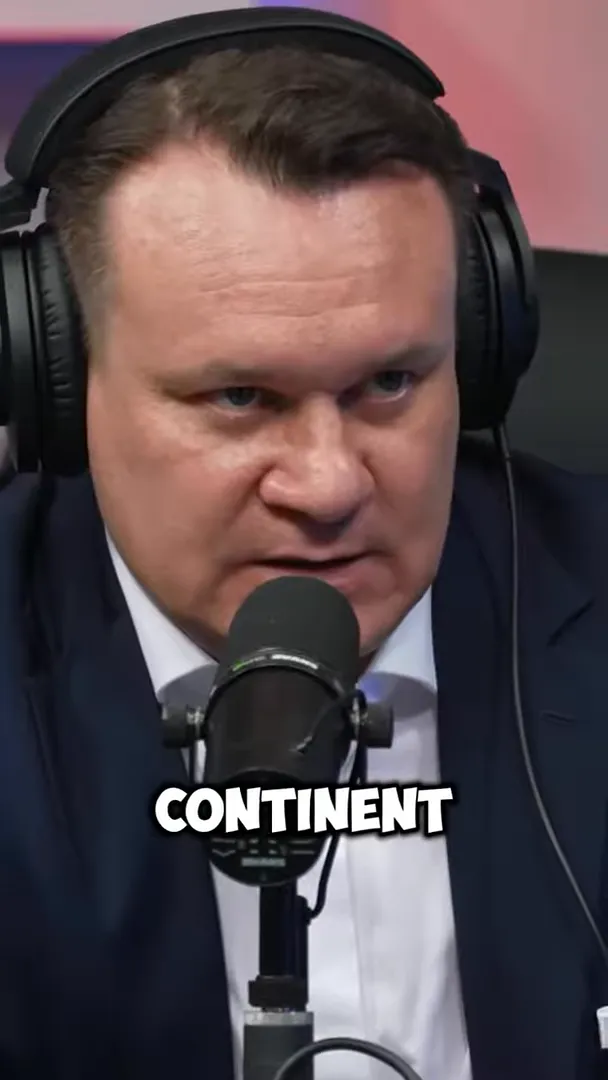
The Argument Begins With a Question of Honesty
Tarczyński’s position starts with a demand for clarity. If the political goal is for Europe to become a Muslim continent, he argues, then leaders should say that plainly. The same goes for America. In his view, these are not minor demographic or cultural shifts. They are transformations with deep consequences for law, public life, and identity.
That is why he rejects euphemisms. His point is that cultural change on this scale cannot be treated as a technical policy matter. It affects institutions, values, and the legal order itself. For him, the real issue is not whether people are willing to discuss migration in general, but whether they are willing to admit what kind of civilizational change they are prepared to endorse.

Why He Moves the Debate to Sharia Law
The sharpest moment in his statement comes when he turns to Sharia law. He says that if someone wants Sharia law in the United States or in Europe, they should say that out loud as well. Then he immediately follows with his own conclusion: “let’s not do that.”
This is the core of his warning. He is not presenting the issue as a distant or theoretical concern. He links cultural transformation directly to legal consequences. In his framing, discussions about religion in Europe do not stop at private belief or community life. They raise a more serious political question: whether European societies are being asked to accommodate an entirely different legal and moral framework.

A Civilizational Double Standard, In His View
Tarczyński then makes a comparison that reveals the logic behind his argument. He asks how anyone can even discuss Sharia law in what he calls Christian Europe when no one is seriously discussing the reverse in countries governed by Sharia principles.
He points specifically to Christian laws, Roman law, and Greek philosophy. Those references are not random. They represent what he sees as the intellectual and legal foundations of Europe. Roman law stands for legal order. Greek philosophy stands for reason, inquiry, and the roots of Western political thought. Christianity stands for the moral and spiritual tradition that shaped the continent’s institutions and culture.
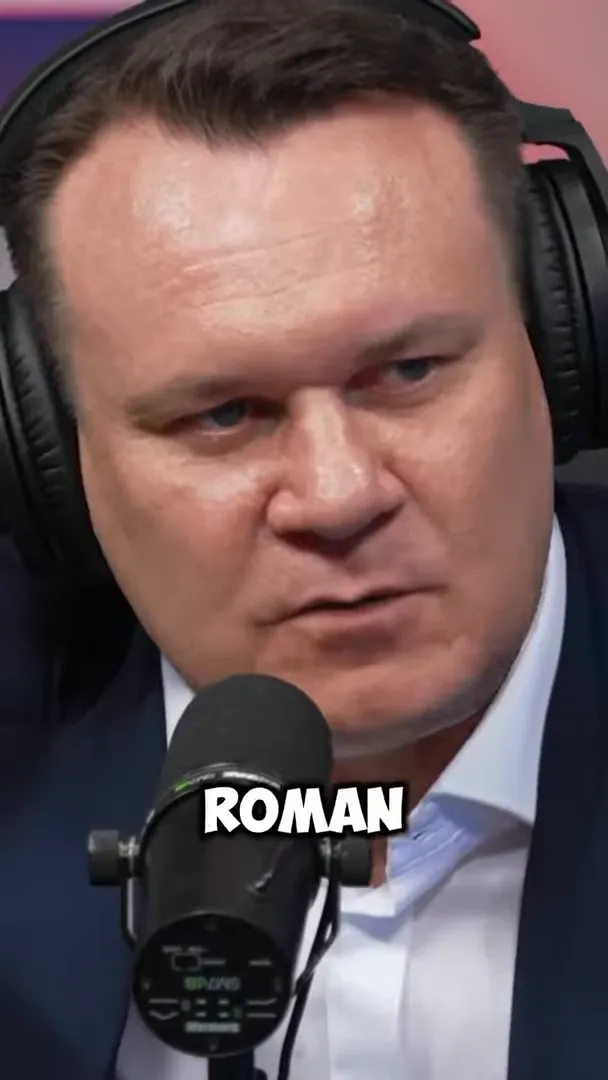
Roman Law, Greek Philosophy, and Christian Europe
By invoking these traditions, Tarczyński is making a broader point about reciprocity and confidence. In his eyes, Europe is expected to question, dilute, or renegotiate its own civilizational inheritance, while countries rooted in Islamic legal systems are under no comparable pressure to adopt Europe’s foundational ideas.
That asymmetry is, for him, the real scandal. He sees a political class in Europe willing to debate whether Sharia should gain space in European life, but unwilling to insist with the same force on Europe’s own legal and philosophical heritage. His objection is not merely to Islam as a religion. It is to what he considers Europe’s loss of conviction in defending its own framework.
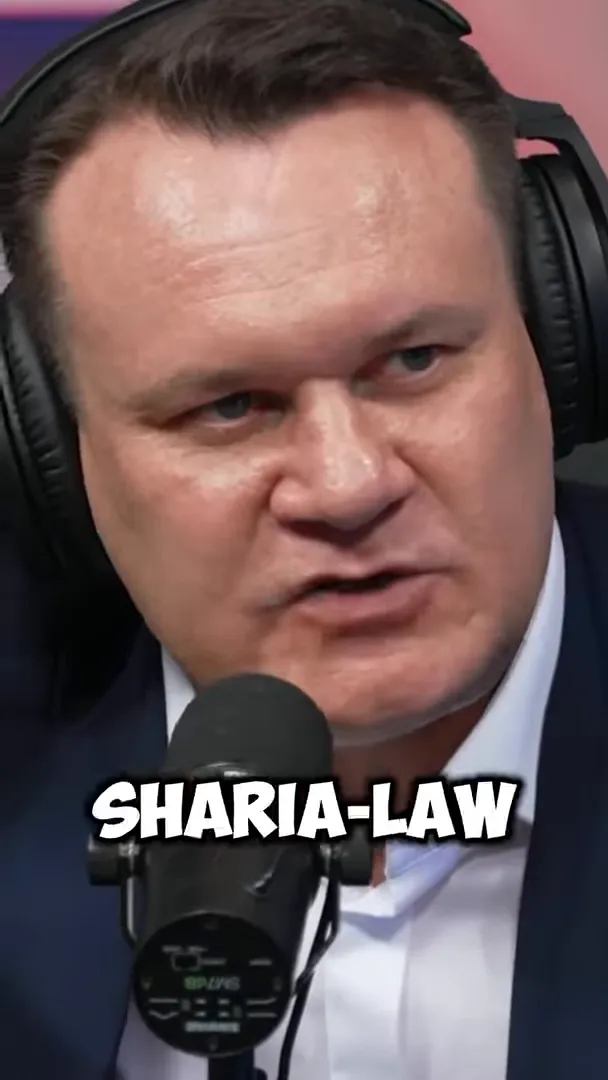
More Than Religion: A Question of Law and Culture
The remarks also underline an important distinction that often gets blurred in public debate. Tarczyński is not treating this only as a matter of personal faith. He is talking about the relationship between religion, law, and culture. That is why he repeatedly uses the language of consequences and legal systems.
His warning is that once a society stops thinking clearly about its own civilizational foundations, it becomes vulnerable to importing legal and cultural norms that were not part of its historical development. For him, that is why the question cannot be reduced to tolerance alone. It is a matter of what legal order governs public life and what values stand behind it.
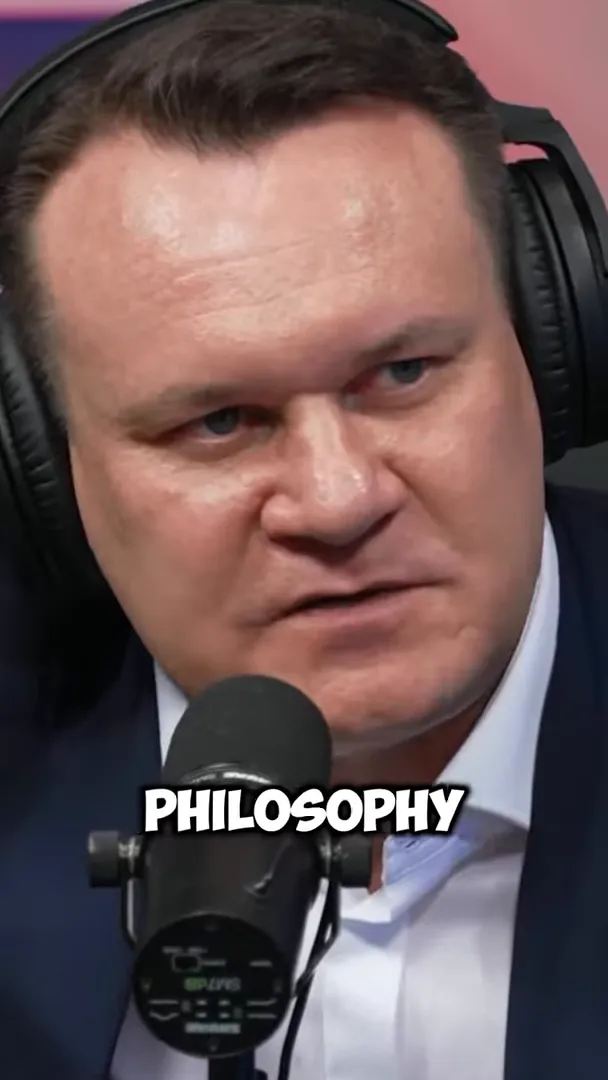
The Political Message Behind the Provocation
As political rhetoric, the statement is confrontational by design. It forces a binary choice: either Europe remains rooted in its historic Christian, Roman, and Greek inheritance, or it moves toward something fundamentally different. Whether one agrees with that framing or not, the message is crafted to expose what Tarczyński sees as the true stakes of mass migration and cultural accommodation in the European Union.
That helps explain why this kind of language resonates in wider debates over immigration, free speech, and national sovereignty. It is not only about border policy. It is about the fear that Europe’s governing elites are making decisions with civilizational consequences while refusing to describe them in those terms.

Why This Debate Keeps Returning in Europe
The reason arguments like this continue to surface across European politics is simple: they speak to unresolved anxieties about identity. Who decides what Europe is? Can a continent preserve its historical character while also absorbing large-scale migration? And at what point does accommodation become transformation?
Tarczyński’s answer is unmistakable. Europe should not entertain the replacement of its legal and cultural foundations with Sharia-based norms. It should defend its own inheritance openly and without apology. In his formulation, the first step is honesty. If leaders want a different Europe, they should state it clearly. If they do not, then they should stop pretending that these debates are only about administrative policy or humanitarian language.
The Bottom Line
This is a short statement, but not a soft one. It condenses a larger political worldview into a few lines: Europe has a civilizational identity, that identity is rooted in Christianity, Roman law, and Greek philosophy, and it should not be negotiated away under the pressure of migration politics or cultural relativism.
For supporters, that is a necessary defense of Europe’s heritage. For critics, it is a deliberately polarizing way to frame a complex issue. Either way, the challenge at the heart of the remark is impossible to miss: if political leaders are willing to change the legal and cultural character of Europe, they should stop speaking indirectly and say exactly what they mean.


Leave a Comment