
“Where Is Europe?” Greek MEP Afroditi Latinopoulou BLASTS EU on Cyprus, Iran & Migration
Summary of the argument
Afroditi Latinopoulou, a Greek member of the European Parliament, delivered a forceful critique of the European Union’s approach to sovereignty, security and migration. She framed recent events—tensions around Cyprus, Iran’s internal repression, and large-scale illegal migration—as linked symptoms of a Europe that, in her view, lacks cohesive strategy and will.
Latinopoulou accused the European political mainstream, especially the left, of hypocrisy and misplaced priorities. She argued that soft policies and an emphasis on cultural issues have left Europe unable to respond decisively to real security threats.
Cyprus, Turkey and the question of deterrence
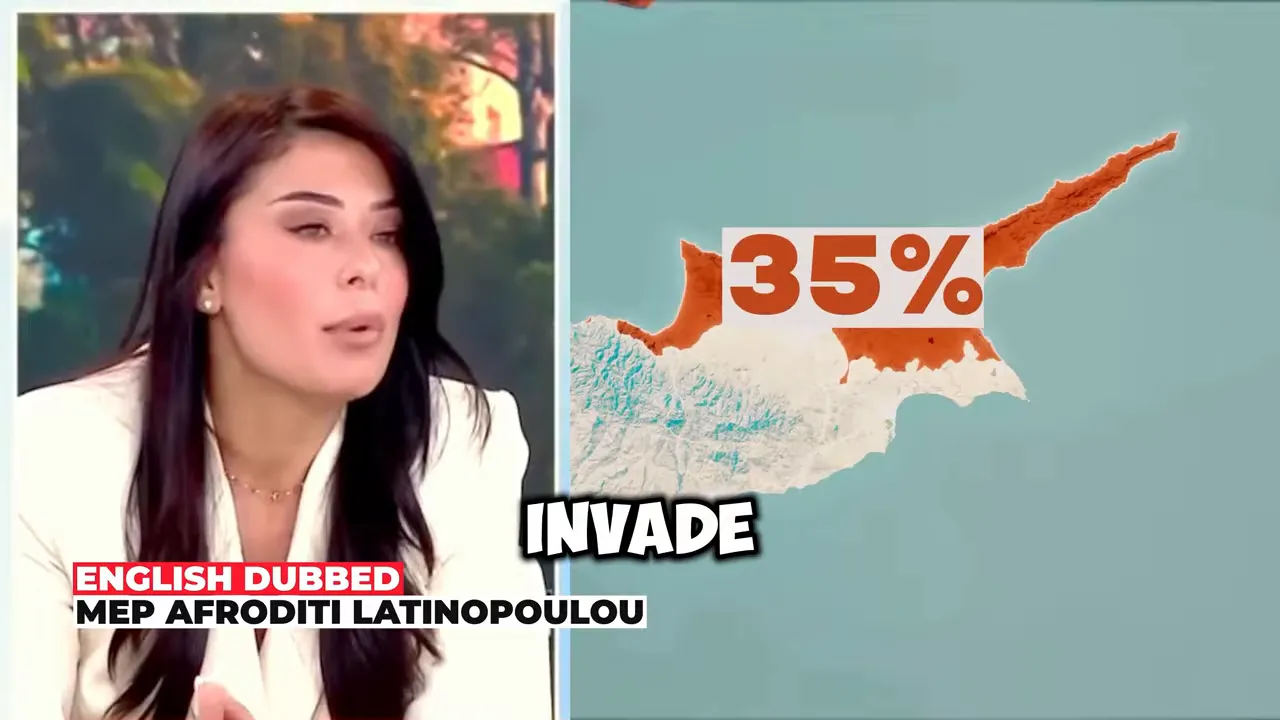
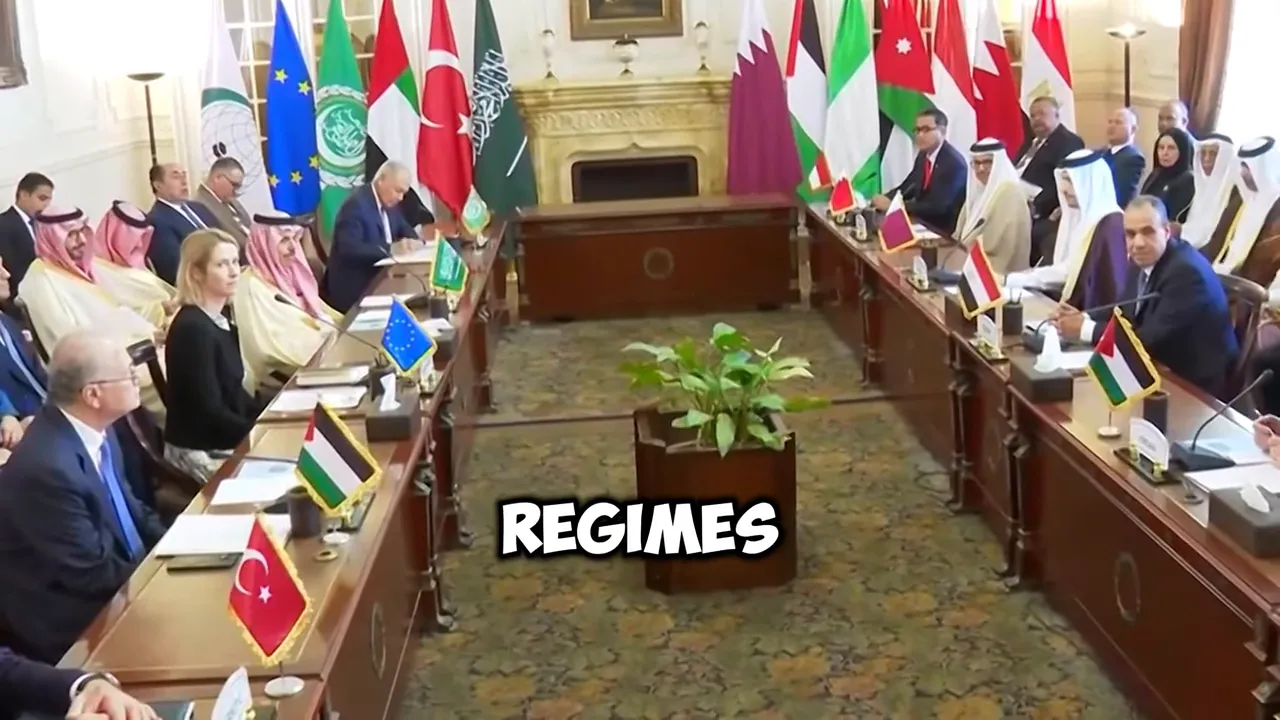
At the core of the speech was a call for clearer enforcement of international law and a sharper defense posture toward member states that threaten European territory. Latinopoulou singled out Turkey’s actions around Cyprus as an example of international norms being half-enforced at best, and urged the EU to stop treating such disputes as peripheral.
Her central military argument is simple: peace flows from strength. She insisted that deterrence—credible military capability and the willingness to use it—remains the most reliable guarantee against aggression, rather than symbolic protests or rhetorical condemnations.

Iran, human rights and European silence
Latinopoulou condemned the Iranian regime’s record of executions, repression of women, and persecution of dissenters, arguing that these abuses demand more consistent and vocal European responses. She described recent actions against Iran’s nuclear and security programs by allied states as justified and necessary to protect Western stability.
She also questioned why many Western activists and politicians have not organized visible demonstrations protesting the treatment of Iranian women and dissidents, labeling that absence as either cowardice or hypocrisy and tying it to broader geopolitical calculations involving Turkey and Gulf states.
Migration, ghettoization and security fears
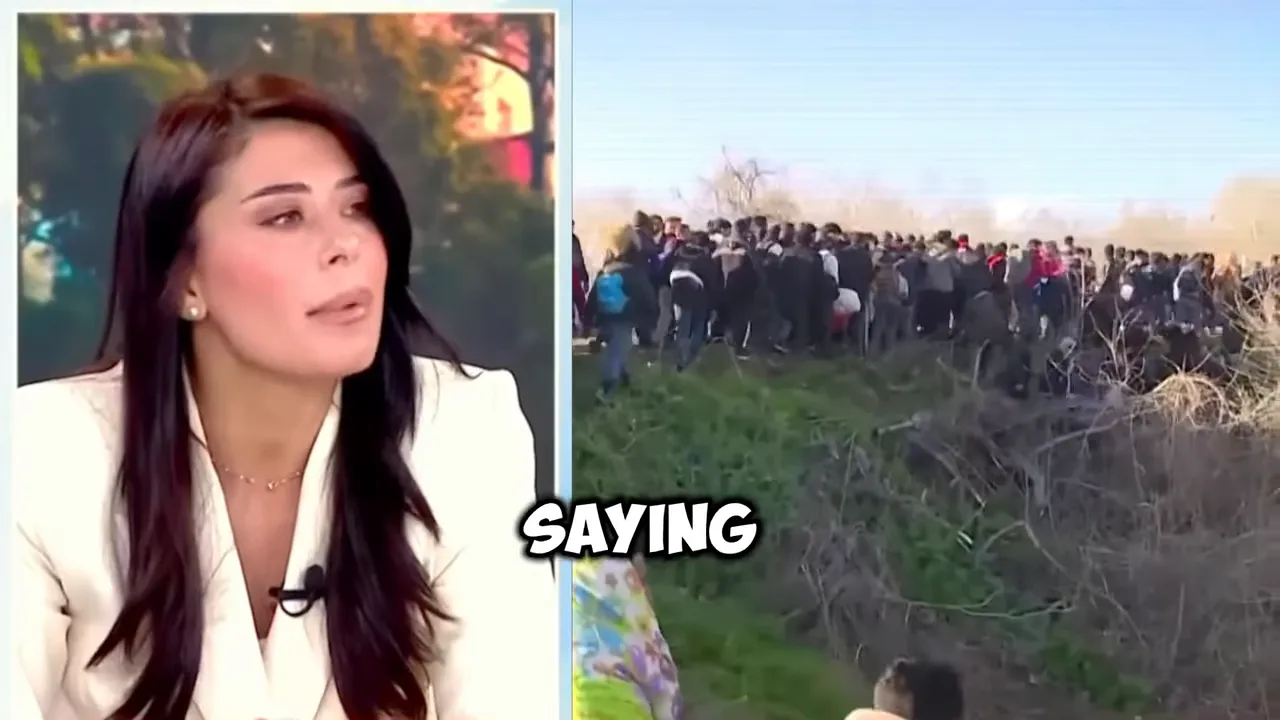
Migration featured heavily. Latinopoulou warned that mass illegal immigration has led to ghettoization in European cities, rising insecurity and the erosion of social cohesion. She cited neighborhoods where she said criminal elements could be rapidly mobilized following simple calls or messages.
Her policy prescriptions included strict border controls, expedited deportations and the creation of migration partnerships with non-European countries to redirect flows. She argued that migration policy cannot be "situational" and must become a permanent pillar of European defense strategy.

Politics at home: the left, Spain and voter replacement claims
Latinopoulou launched a pointed critique at the European left, accusing it of aligning politically with Islamist movements and of enabling migration policies designed to expand left-leaning electorates. She used Spain’s government and Prime Minister Pedro Sánchez as a concrete target, alleging efforts to legalize hundreds of thousands of migrants for electoral gain.
These remarks tied domestic electoral strategies to broader security concerns: in her telling, political incentives that prioritize votes over integration and enforcement risk amplifying the very problems Europe must confront.
Defense cooperation: Greece, Cyprus and Israel
On alliances, Latinopoulou advocated for a standing defense arrangement between Greece, Cyprus and Israel. She argued such a trilateral dogma of mutual defense would give the region a more credible deterrent against threats from state and non-state actors.
She urged permanent military assistance to Cyprus and the strengthening of armed forces, defense industries and human capital, framing those investments as essential to national sovereignty rather than optional expenditures.

Rhetoric, responsibility and accountability
Latinopoulou’s tone combined urgency and moral clarity. She posed stark questions to political opponents: do they want the eradication of terrorism and the downfall of regimes that execute and abuse citizens, or not? She insisted that there is no gray area on these points.
Her rhetoric also included uncompromising cultural statements—most notably the claim that "Islam has no place in Europe"—that underline the strong, nationalist tenor of her position and inevitably provoke debate about the boundaries between security policy, integration and freedom of religion.
What Latinopoulou proposes: a checklist
- Stronger European deterrence: Invest in armed forces, defense industry and allied interoperability.
- Permanent defense dogma: Treat mutual defense as continuous, not situational.
- Harsher migration controls: Close borders where necessary, escalate deportations, and form external partnerships to process arrivals.
- Political accountability: Call out parties and leaders who, she says, prioritize short-term electoral gains over security and integration.
How this fits into broader EU debates
Latinopoulou’s comments reflect persistent tensions within the EU: balancing human rights promotion with realpolitik, reconciling open societies with security challenges, and deciding what level of military autonomy Europe should pursue alongside its NATO commitments.
Her speech will appeal to voters and lawmakers who prioritize sovereignty and border control, while critics will argue that her rhetoric risks stigmatizing communities and oversimplifying complex migration and geopolitical dynamics.
Bottom line
As a reporter summarizing this political intervention, the takeaway is clear: Latinopoulou calls for a more assertive Europe—militarily, politically and culturally. She frames current policies as inadequate to confront threats from Iran, to push back on Turkey, and to manage migration in ways that preserve social cohesion.
Whether those prescriptions will gain traction depends on broader political debates across EU capitals: debates about defense spending, migration reform and the balance between civil liberties and security are already underway—and voices like hers will shape how those choices are framed.


Leave a Comment