
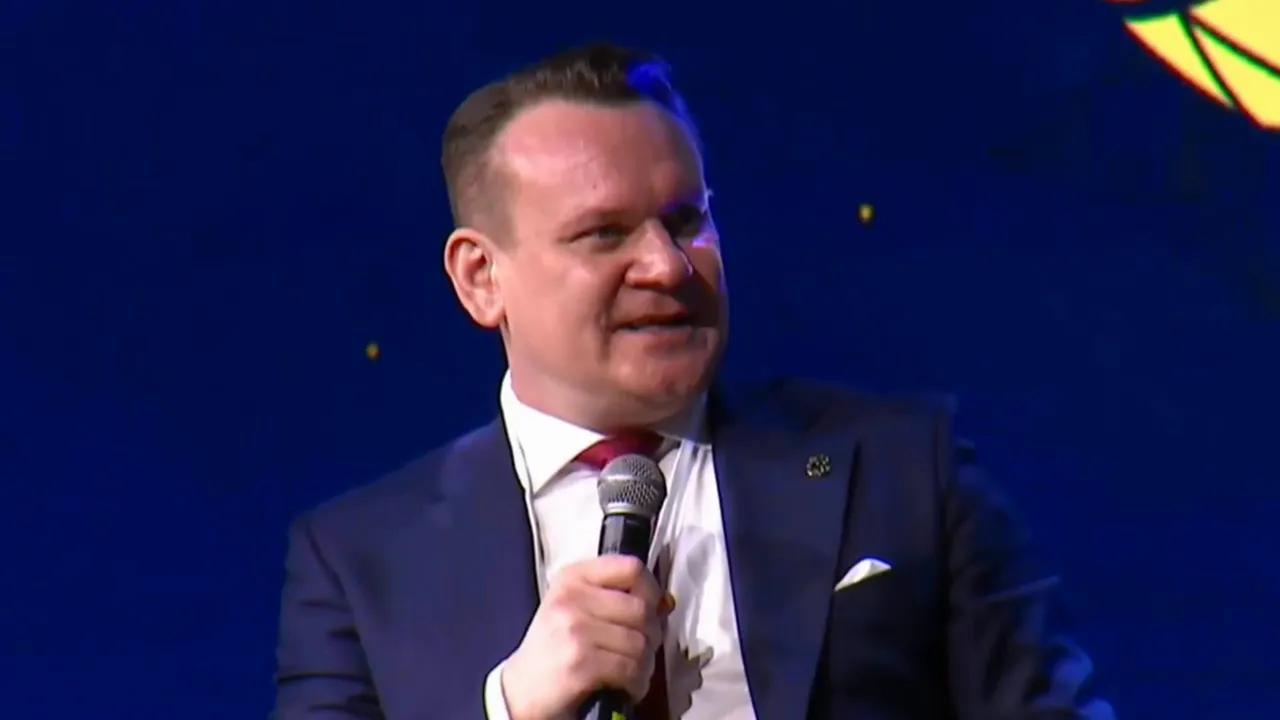
Dominik Tarczyński on Islamization, Hamas, Qatar-gate and Europe’s Security: What He Said and What to Check
This article summarizes the main claims made during a parliamentary address and provides practical guidance for assessing those claims, verifying facts, and responding responsibly on social media and in public debate.
Why this matters: statements about security, migration and foreign influence shape policy and public opinion across the EU — but they also require careful verification before they are treated as established fact.
Key public claims and direct quotes
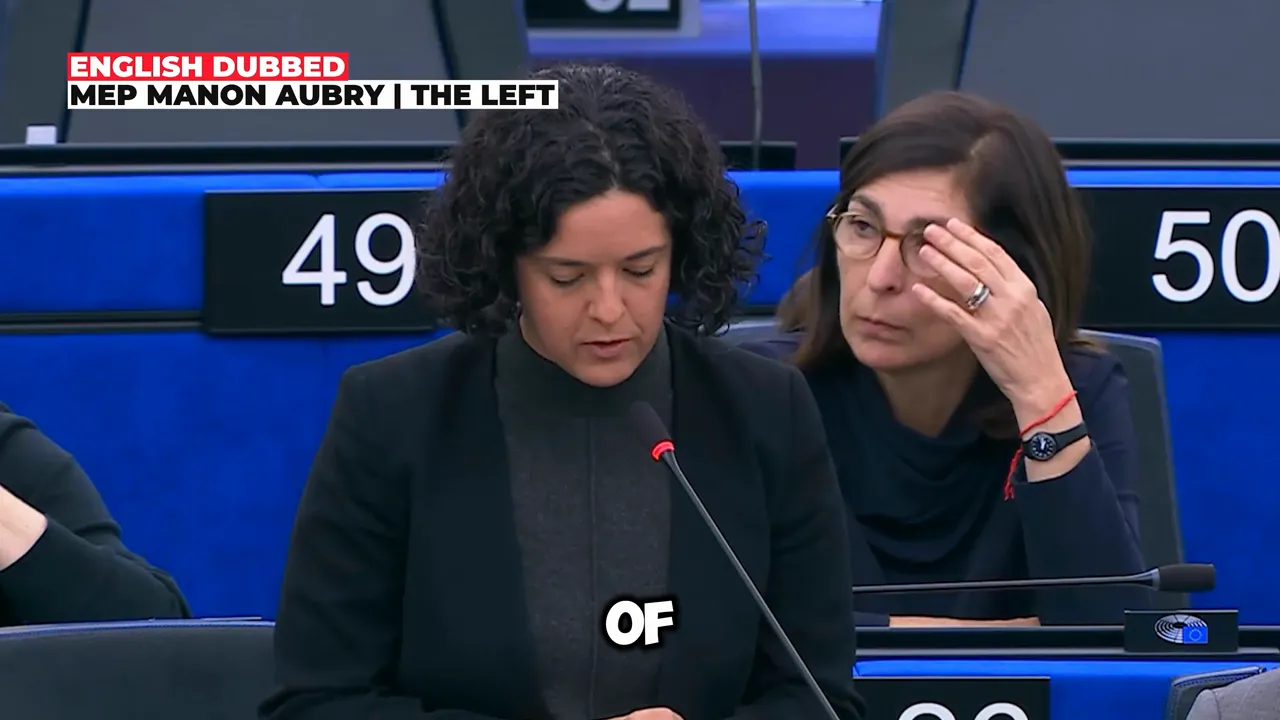
Manon Aubry called for a formal debate on Israel’s actions and the situation in the occupied territories.
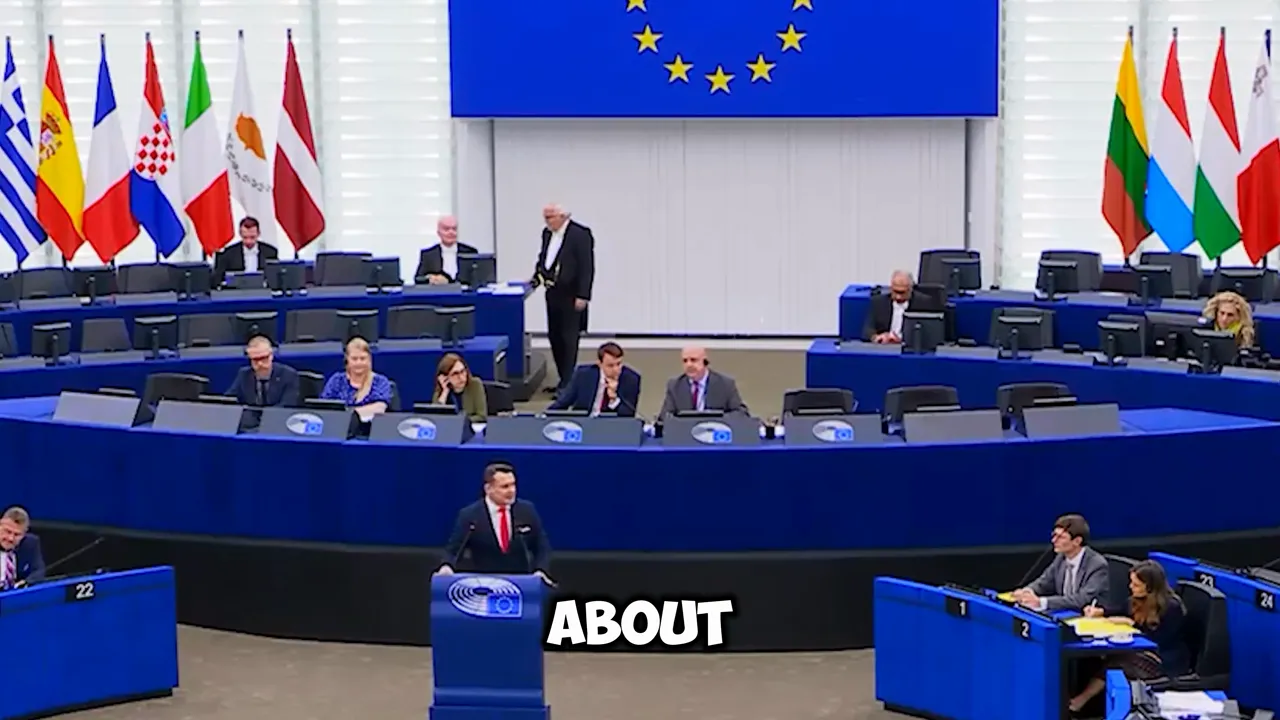
"I am asking to add in fact on behalf of our group to the day's order of business of a debate on the violations of the ceasefire by Israel in Gaza and on the explosion of violence in the West Bank."
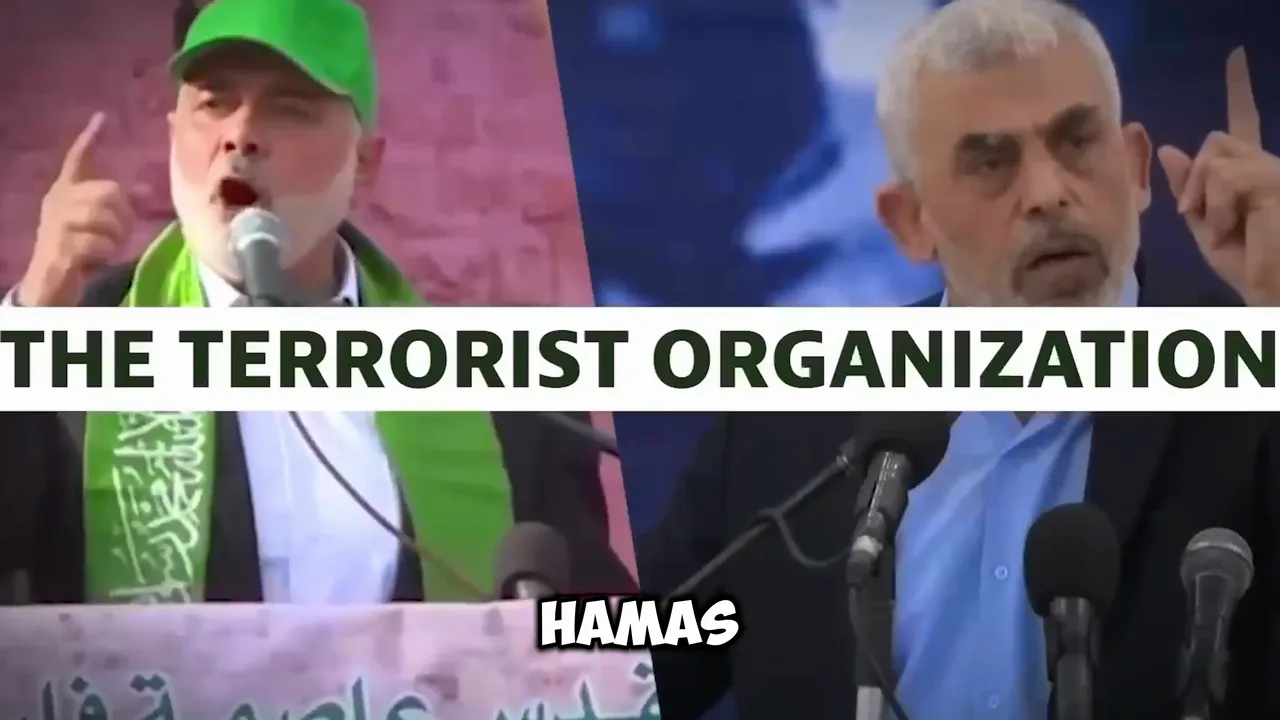
Dominik Tarczyński framed security as the top priority and linked peace prospects to the removal of Hamas.
"Unless Hamas is out of this world there will no be peace. So do not attack Israel who's fighting against terrorism because they have a right to protect themselves."
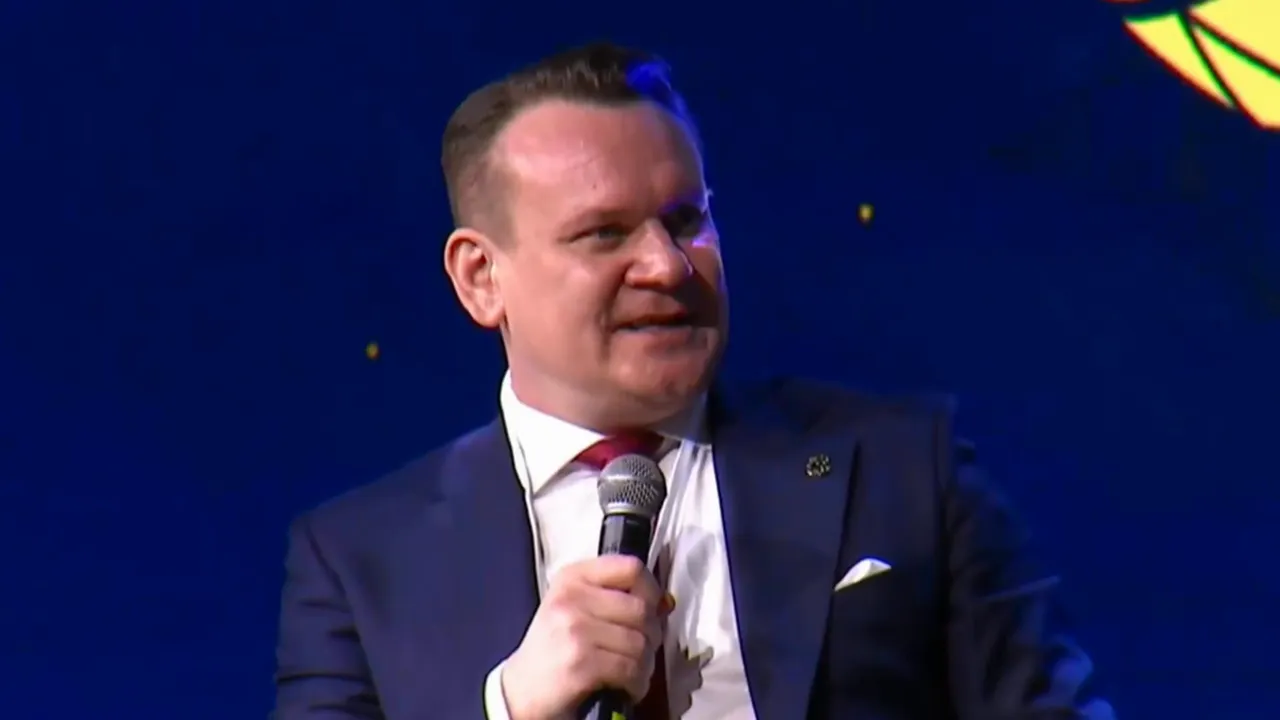
Tarczyński also accused Qatari influence of buying MEPs and identified political corruption as a factor shaping EU debates.
"In famous Qatar gate scandal where Qataris money bought about 20 MPs. Vice president of the European Parliament was bought. She was corrupted... she was caught with the two suitcases of the cash."
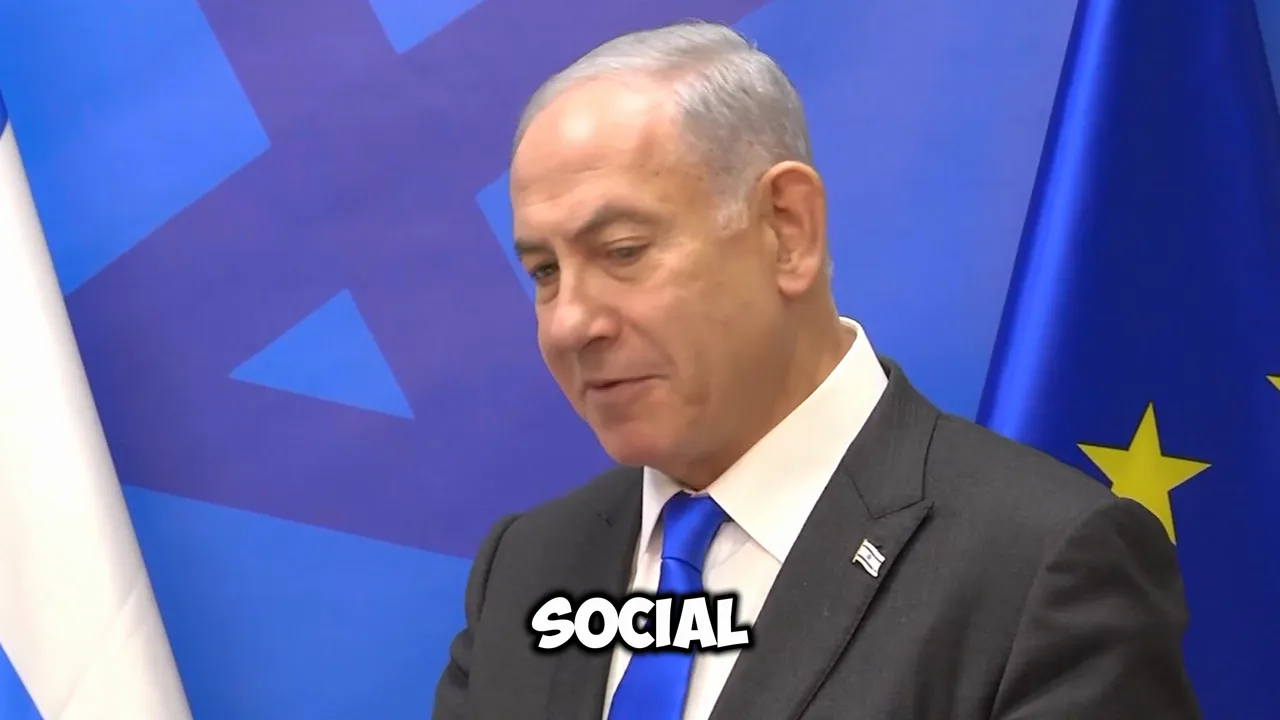
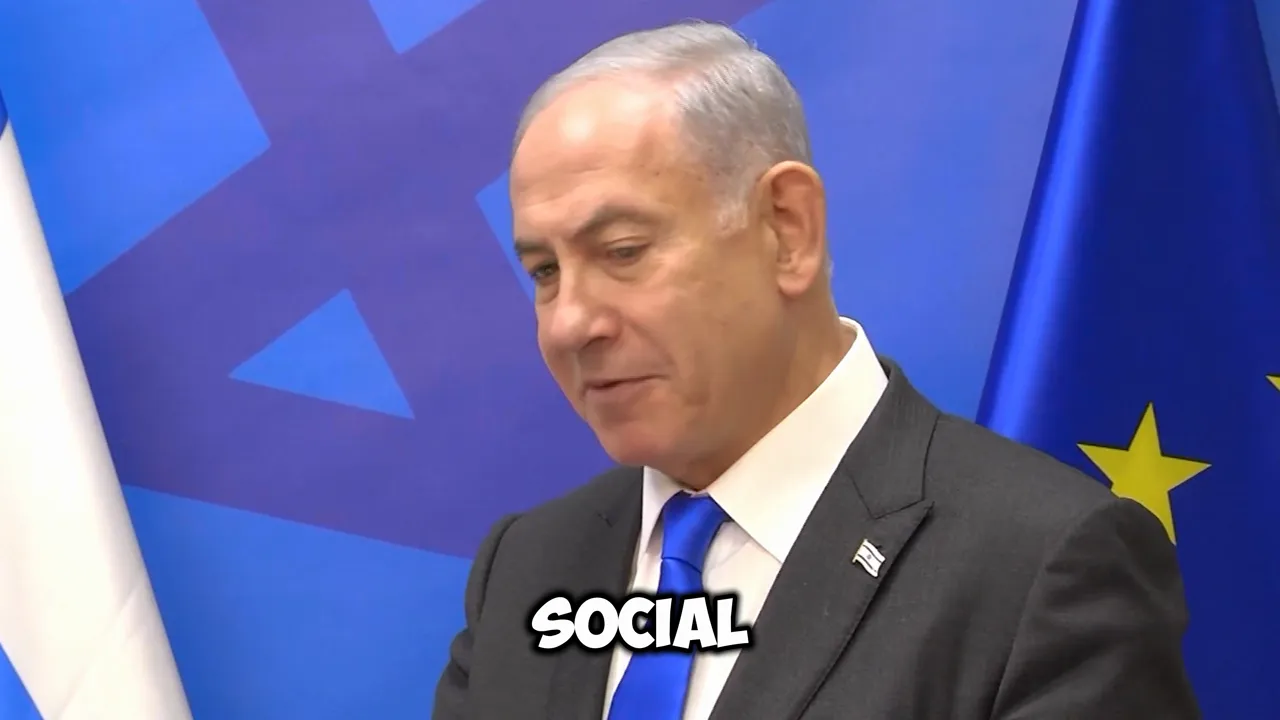
Benjamin Netanyahu’s point about modern conflict emphasized social media as a key battlefield.
"You know the weapons change over time... the most important ones are the social media."
Tarczyński described using social platforms to expose alleged corruption.
"I revealed the whole scandal on my social media and Stefan supported it. The whole world found out about Qataris buying politicians."
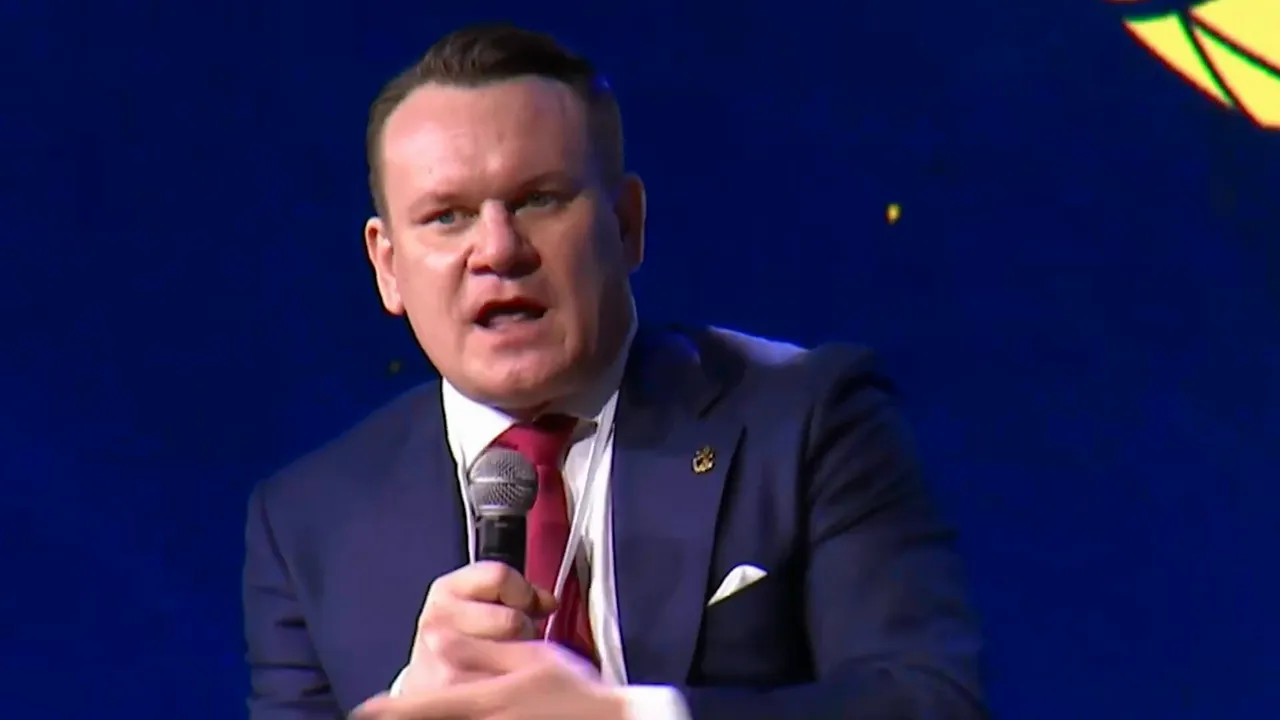
The speech appealed to a "silent majority" and framed cultural change, labeled as "woke ideology," as a deliberately spread political program.
"We cannot be a silent majority anymore... The woke ideology did not come and knock to our doors... They spread the message, they created reality and we have to reshape it now."

There were direct appeals to masculinity and a combative posture framed as necessary for defense.
"It's time to be a man. It's time to take care of yourself. It's time to stop wearing dresses and be a man. Put on an armor not a dress."

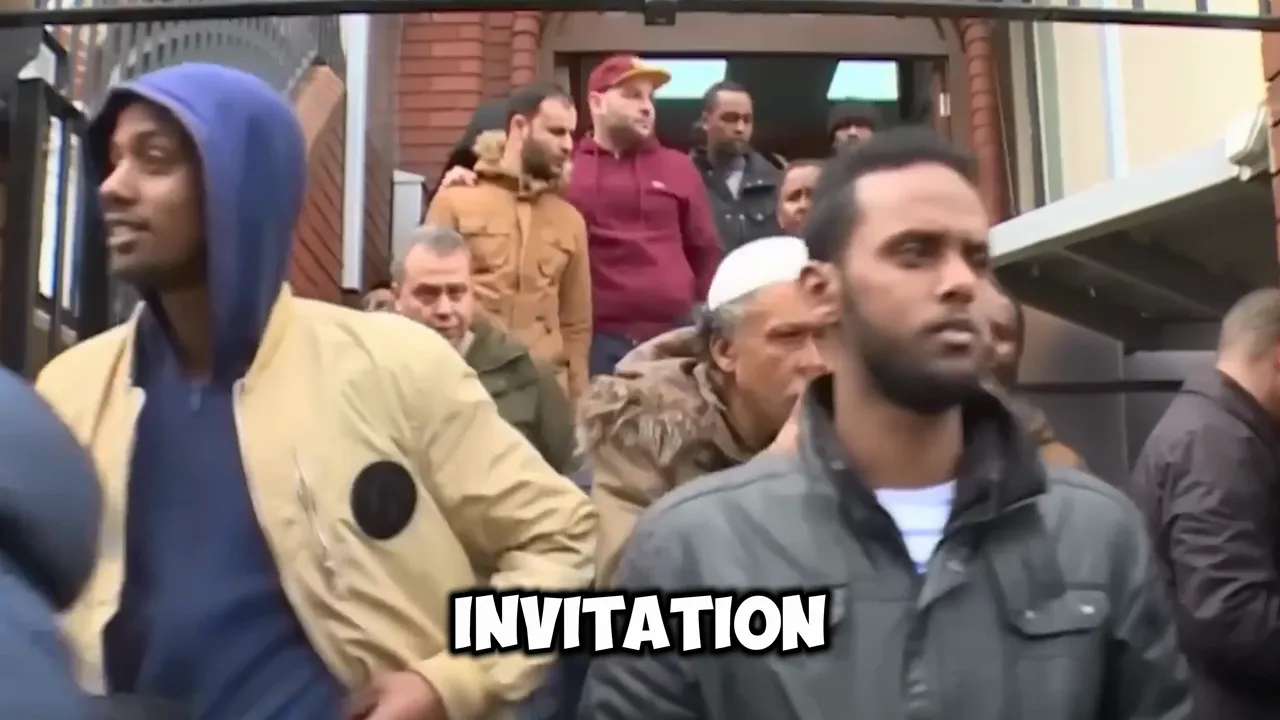
The speaker contrasted Western tolerance with what he described as violent radical Islamism and warned of an 'invasion' through illegal migration.
"The main difference between us and... radical Islamists... We do not kill people because they do not believe in Christ... Zero illegal migrants. Zero means zero."

His rhetoric combined security, cultural identity and migration policy into a single argument for tougher measures.
That combination is politically potent but also raises factual and ethical questions that deserve careful scrutiny.
How to verify the main factual claims
Claim: Qatar funded MEPs (Qatar-gate).
How to check:
- Look for primary sources: court filings, official parliamentary reports, and investigative journalism from reputable outlets that cite documents or legal decisions.
- Confirm identities and outcomes: identify named MEPs, the charges or findings against them, and whether prosecutions or convictions occurred.
- Check parliamentary responses: search official European Parliament disclosures, ethics committee reports and press releases.

Claim: Social media is the foremost "weapon" in modern conflicts.
How to check: evaluate peer-reviewed research and expert analyses on information operations, disinformation campaigns, and the measurable effects of social media on public opinion and mobilization.
Claim: Illegal migration equals an invasion and should be met with zero-tolerance.
How to check:
- Separate arrivals from legal status: consult national border agency statistics and Frontex reports for numbers on crossings and detection rates.
- Look at crime data: compare studies on migration and crime from independent research centers to avoid generalization.
- Review international law: asylum law and refugee conventions set legal obligations for processing and protection.

Practical checklist for public responses and social media
Before sharing a security or corruption claim:
- Find a verifiable source: link to primary documents or multiple reputable news outlets.
- Check the date and jurisdiction: ensure the claim refers to the current event and legal context.
- Distinguish opinion from fact: tag statements that are assertions or political views rather than verified facts.
- Use caution with inflammatory language: avoid amplifying content that targets groups based on religion or ethnicity.

Policy and ethical pitfalls to watch for
Conflating Islam with radicalism: broad statements that link an entire religion to violence risk fostering discrimination and undermine constructive security responses focused on networks and criminal actors.
Fear-based framing: portraying migration as an "invasion" can distort policy discussions and reduce complex social phenomena to panic-driven reactions.
Over-reliance on single-source allegations: corruption claims require corroboration from documents, legal rulings, or multiple independent investigations.
Weaponizing identity politics: calls to "reshape reality" or mobilize based on cultural grievances can deepen polarization and reduce opportunities for compromise.

How policymakers and citizens can respond constructively
For policymakers:
- Commission transparent inquiries: authorize independent audits or investigations when corruption allegations arise.
- Balance security and rights: design migration policies that respect international law while strengthening border management and asylum processing capacity.
- Invest in media literacy: fund programs to help citizens identify disinformation and verify claims.
For citizens and social media users:
- Verify before sharing: consult fact-check sites and primary documents.
- Report hate speech: use platform tools to report content that incites violence against a group.
- Engage with nuance: ask questions and demand evidence rather than amplifying slogans.
Common questions people ask (brief answers)
Is it reasonable to prioritize security over civil liberties?
Short answer: Security and civil liberties are both important. Best practice is to pursue targeted security measures that include judicial oversight and transparent reporting.
How can I tell if a corruption story is credible?
Short answer: Credibility increases with primary documents, official investigations, multiple independent outlets reporting consistent details, and identifiable legal actions.
Summary and practical takeaways
Political speeches combine facts, interpretations and calls to action. Treat public claims—especially those tying religion, migration and security—by checking sources, distinguishing fact from rhetoric, and favoring policy responses that respect law and human rights.
When you encounter high-impact claims (corruption, national security, or migration): verify primary evidence, consult multiple reputable sources, and avoid amplifying unverified or inflammatory assertions.


Leave a Comment